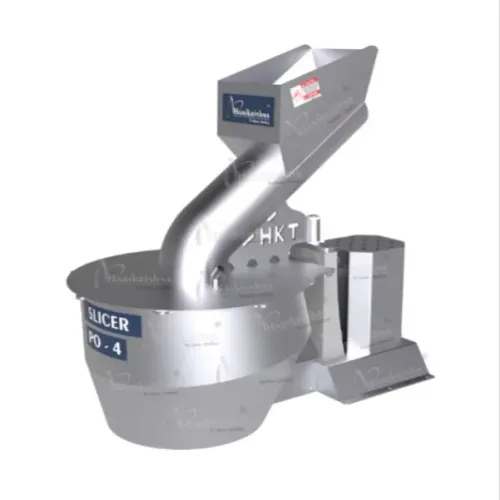
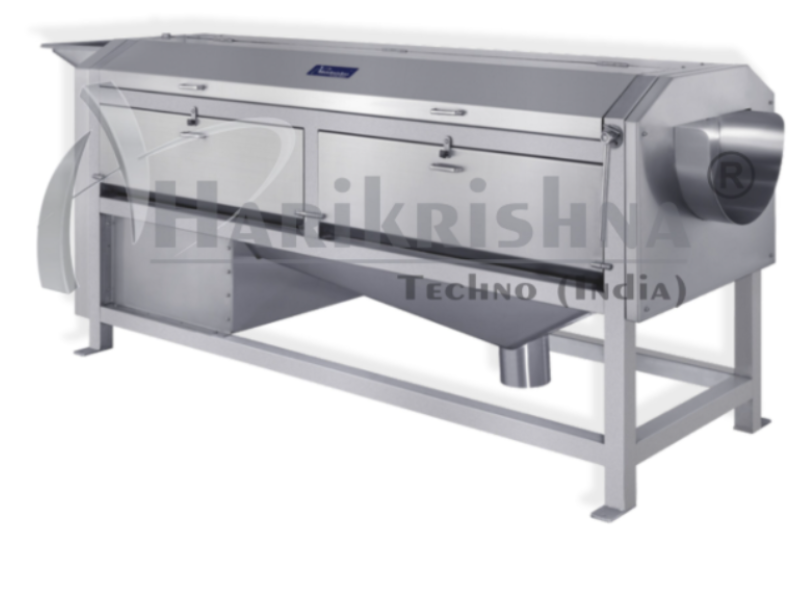
An Onion Slicer may appear to perform a straightforward job, but commercial food processors need to evaluate considerably more than whether a machine can cut onions quickly. Slice thickness, feeding method, cleaning access, output requirements, and integration with other equipment can all affect day-to-day performance.
For food businesses in Rajkot, Gujarat, choosing an appropriate slicer begins with understanding where slicing fits into the production process.
Start With the Required Onion Product
Different applications may require different slice characteristics.
Dehydrated onion processing may prioritise consistent dimensions for controlled moisture removal. Ready-to-cook production may place greater emphasis on appearance and uniform portioning. Other food manufacturing applications may need specific slice thicknesses for frying or further processing.
Buyers should therefore define the desired finished cut before comparing machines.
Compare More Than Hourly Capacity
Capacity figures are useful, but they should not be evaluated alone.
Consider:
- Required slice thickness
- Uniformity of output
- Feeding arrangement
- Food-contact construction
- Ease of cleaning
- Blade access
- Operator requirements
- Continuous production suitability
- Maintenance accessibility
A machine with suitable capacity but difficult cleaning requirements can create unnecessary downtime in a food-production environment.
Look at the Equipment Before and After Slicing
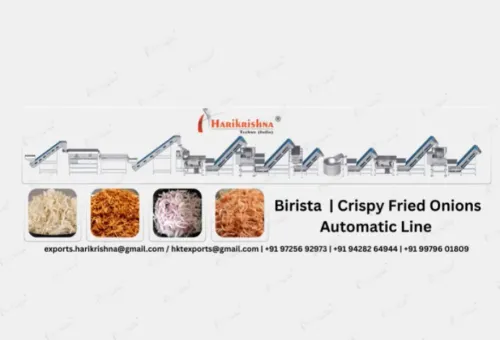
The slicer needs enough prepared onions to maintain its intended throughput. Similarly, downstream equipment must be capable of accepting the sliced product without creating accumulation.
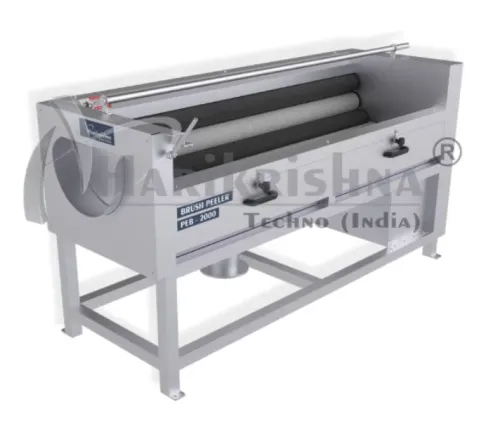
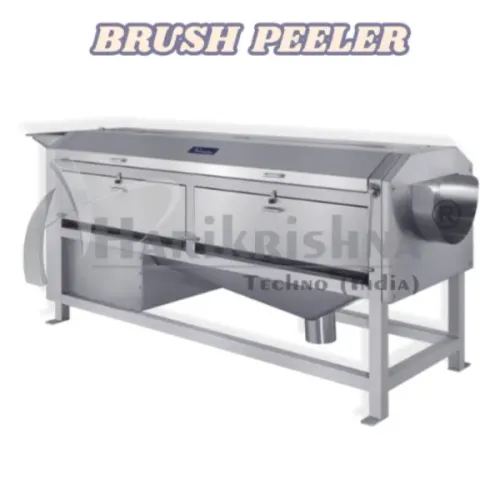
For an onion dehydration line, for example, washing, peeling, slicing, conveying, and drying capacities should be reasonably balanced.
This systems approach can be more valuable than choosing each machine independently.
Avoid Oversizing Without a Production Reason
Buying substantially more capacity than current requirements may seem like preparation for growth, but unnecessary oversizing can affect investment planning, floor-space use, and supporting equipment requirements.
Instead, businesses can estimate current demand and realistic expansion over the coming years.
HARIKRISHNA TECHNO (INDIA) offers food-processing machinery for commercial applications, including equipment used in vegetable preparation. Buyers should discuss their onion size range, production target, required slice dimensions, and intended application when evaluating suitable machinery.
For Rajkot food processors, the right slicer should fit both present operations and practical future expansion.
A useful selection decision balances output, cut consistency, sanitation, maintenance, and line compatibility. Those factors determine whether the equipment will genuinely improve production rather than simply add another machine to the processing floor.
Keywords