A potato-chip factory should add fried-onion production only when it can sell or consume enough finished birista to justify a separate process, oil circuit, labour plan and packing operation. By checking demand, yield, equipment choices, site requirements and delivered cost, you can decide whether to build, outsource or start with a smaller batch system.
Key takeaways
- Validate finished birista demand before sizing a fryer.
- Compare delivered birista cost with batching and a dedicated line.
- Control slicing, moisture, frying temperature and oil quality.
- Keep onion handling physically separate from potato-chip production.
Start with finished birista demand, not fryer capacity
A new plant is justified by the kilograms of saleable birista you can absorb, not by a fryer’s advertised capacity. Add your potato-chip operation’s monthly onion requirement to firm orders from outside snack buyers, then divide that finished-product demand by a validated raw-onion-to-birista yield.
Fresh onions contain roughly 85–90% water, so yield often falls near 20–30% after peeling, trimming, frying, fines and oil removal.
Build the calculation around:
- Expected finished birista demand by month, including seasonal peaks and minimum buyer commitments.
- Raw-onion requirement after allowing for peel, trimming, breakage, start-up waste and onion-size variation.
- Available labour, receiving and storage space, electrical load, fuel, water and wastewater handling in Rajkot.
- Separate cooling and packing capacity, because warm birista sealed in an ordinary low-barrier polypropylene bag loses crispness and develops rancid flavour.
- A buyer for surplus output if internal chip use does not keep the line occupied.
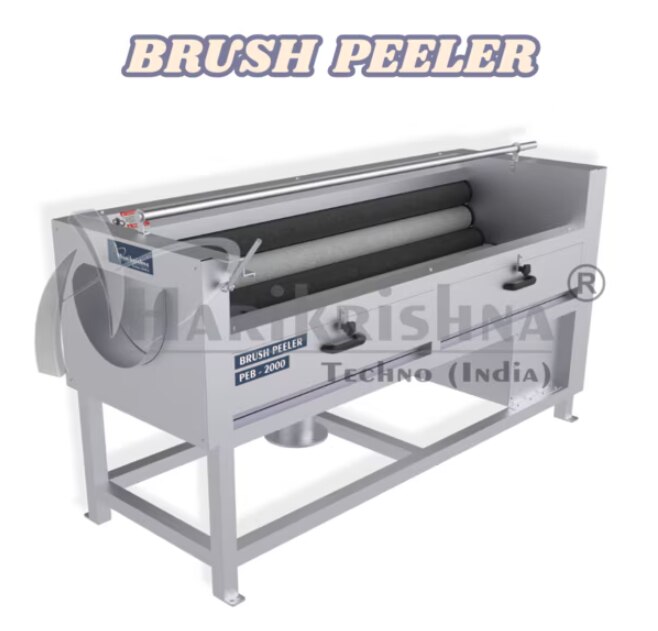
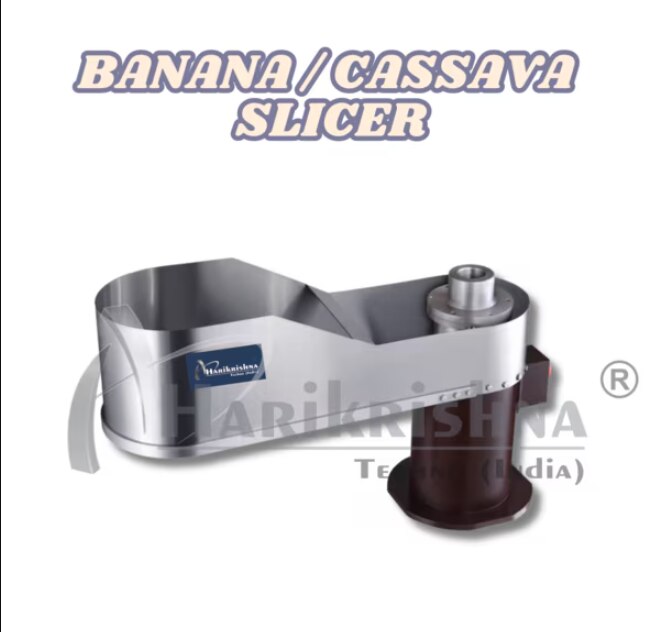
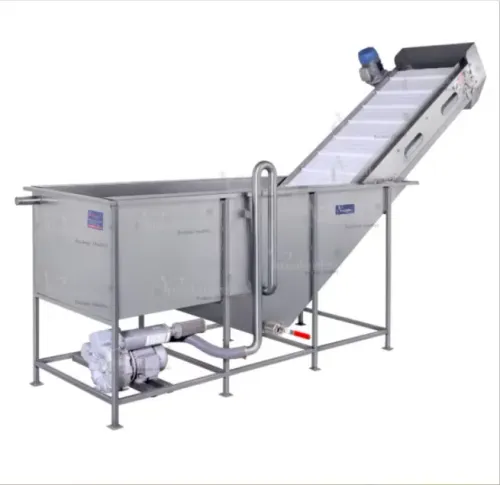
A practical fried onion plant for potato chip manufacturers in Rajkot needs more than a fryer. Onion receiving, grading, peeling, slicing, dewatering, frying, deoiling, cooling, inspection and high-barrier sealing all affect the finished kilograms you can sell. Omit dewatering or deoiling and oil uptake rises while shelf life falls.
Treat a birista plant for snack manufacturers as a separate product business only when its output has reliable buyers. Compare delivered cost per kilogram of conforming birista with purchased product; a fryer rated in kilograms per hour proves little without a guaranteed finished yield.
Choose between buying, batching and building a separate line
Choose the route that matches finished birista demand, not the fryer’s advertised capacity. Calculate required onion input as finished output divided by validated yield, then add peeling loss, trimming, fines, start-up waste and seasonal size variation.
| Option | Best fit | Main trade-off |
|---|---|---|
| Buy ready-made birista | Low or uncertain demand, limited space, or no onion-processing labour | Lowest capital commitment, but delivered cost and supplier consistency control your margin |
| Use a batch fryer | Intermittent orders, several onion varieties, or frequent recipe changes | Flexible and economical at modest volume, but labour and colour variation increase |
| Build a dedicated continuous line | High, repeatable volume and birista sold as a product or used every production day | Better consistency and labour efficiency, but requires space, utilities, cleaning discipline and committed demand |
| Add onions to the potato-chip fryer | Almost never | Onion sugars and solids foul oil, darken it and transfer odour and particles into chips |
A fried onion production line in Rajkot makes sense when demand supports receiving, peeling, washing, slicing, dewatering, frying, deoiling, cooling, inspection and high-barrier packing as a controlled workflow. Packing warm birista or using ordinary low-barrier polypropylene quickly destroys crispness.
Share electricity, water, fuel and wastewater systems where practical, but keep onion frying oil, filtration and product-contact conveying independently controllable. Choose continuous equipment only when you can control feed rate, slice distribution, residence time, oil level and changeover cleaning every shift. Otherwise, buy the product or batch-fry it.
Control onion preparation and frying before quality fails
Crisp birista starts with uniform onions, not the fryer. Reject mouldy, sprouted or damaged bulbs, then grade for similar size and firmness; mixed raw material cooks unevenly and creates dark fragments before the pale slices finish.
Wash, peel and slice to a consistent thickness. Control the interval between slicing and frying, because exposed cut surfaces discolour and release more solids. Mechanical dewatering immediately before frying is a high-value control: specify the method, residual surface-water target and washdown access.
Skip it and water boils violently at the fryer entrance, increasing oil uptake, splashing and unstable throughput.
- Set the fryer’s oil temperature, belt speed or batch time, and loading rate as a recorded recipe.
- Filter oil continuously or at defined intervals, sample it through an accessible port, and discard it when total polar compounds reach 25%; FSSAI prohibits using oil above that limit.
- Drain oil before cooling, remove burnt fragments, and inspect colour, crispness, breakage and residual moisture before packing.
| Control choice | Commercially stronger option | Failure if missed |
|---|---|---|
| Slice preparation | Uniform thickness with immediate dewatering | Mixed colour, soft centres and excess oil |
| Frying | Recipe-controlled temperature and loading | Dark edges, undercooked slices or burnt fines |
| Oil management | Filtration, sampling and documented replacement | Rancid flavour and non-compliant oil |
| Packing | Cool product in a sealable high-barrier pack | Moisture pickup and lost crispness |
An onion frying plant for food business also needs cooling before packing; ordinary low-barrier polypropylene and warm filling can ruin an otherwise successful batch. Include metal detection and retain batch records for oil, temperature, yield and inspection results.
Design the line and site to keep onions away from chips
Put the onion line in a separately controlled hygienic zone, not beside exposed potato-chip conveyors. Share steam, compressed air and electrical distribution only after capacity checks; keep the frying oil, filtration, product conveyors and exhaust independently controllable so onion odour, particles and darkened oil cannot reach chips.
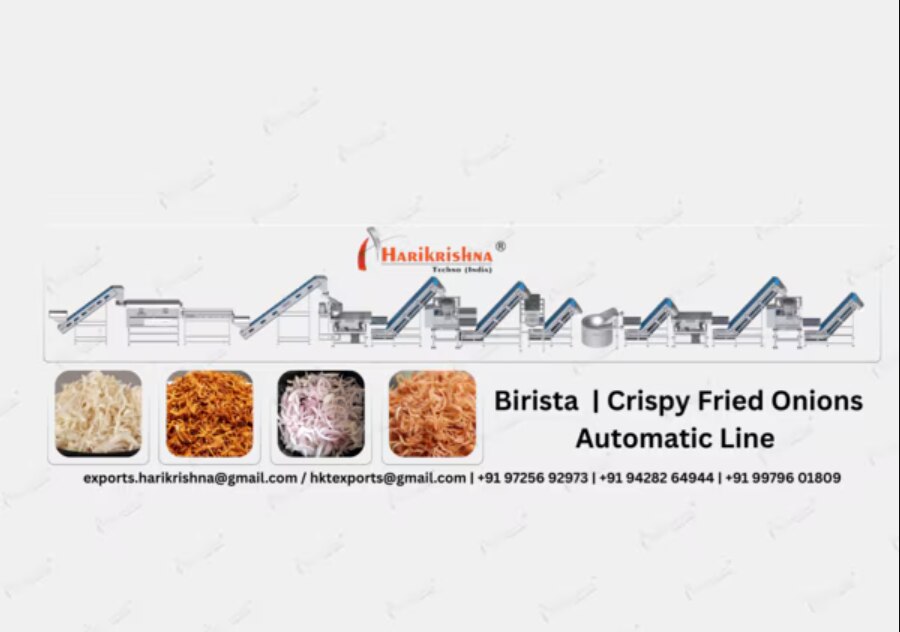
A practical integrated birista plant includes receiving and grading, peeling, washing, slicing, controlled dewatering, frying, oil draining or deoiling, cooling, inspection, metal detection and moisture- and oxygen-protective packing. Dewatering and deoiling are not optional: skip either and the onions absorb more oil, soften faster and shorten shelf life.
Continuous frying suits repeatable high volume; batch frying suits intermittent demand, varied onion types and frequent recipe changes.
Require the supplier’s written scope to identify:
- Product-contact materials, weld finish, cleanability and hygienic design
- Fryer capacity, temperature control, residence time, oil filtration and oil-change procedure
- Exhaust ducting, fire suppression, electrical load, controls and safety interlocks
- Washdown or CIP method, drains, wastewater handling and onion-peel disposal
- Packing specification, metal-detector performance, calibration method and rejection system
- Layout drawings showing personnel, raw-onion and finished-birista flow
Use corrosion-resistant, cleanable construction without hollow sections, ledges, dead legs or oil traps. Apply FSSAI hygiene controls, segregate raw and finished product, and document cleaning between onion and chip operations.
Before approval, verify Rajkot water, fuel, power, storage, labour and seasonal onion supply. HARIKRISHNA TECHNO (INDIA) should be assessed against this scope, not the phrase “fully automated” in a quotation.
Related product
 | Birista Plant At Harikrishna Techno India, we offer a comprehensive and fully automated solution for the production of perfect birista (crispy fried onions). View product → |
Compare delivered cost before committing capital
Compare the delivered cost of one kilogram of conforming birista, not the purchase price of raw onions or the fryer’s hourly rating. A fried onion plant for potato chip manufacturers in Rajkot beats purchased birista only after you include yield loss, oil replacement, packaging, labour, utilities, waste disposal, maintenance and annualised capital at realistic utilisation.
| Option | Include in calculation | Failure if omitted |
|---|---|---|
| Purchased birista | Supplier price, freight from supplier distance, unloading, rejected or stale packs and inventory loss | A cheap quote becomes expensive after transport and quality claims |
| Own production | Onion price by season, peeling and trimming loss, storage loss, oil, electricity, fuel, water, labour, packaging, maintenance, finance and waste treatment | Your apparent saving ignores the costs that production adds |
| Break-even test | Finished kilograms sold per month, validated yield, start-up waste and seasonal onion-size variation | An oversized line carries capital cost without enough output |
Build the mass balance from required finished kilograms divided by validated yield, then add allowances for fines and start-up waste. Test onion prices across the local season, storage duration, skilled-labour availability and available electrical load before approving a fried onion production line in Rajkot.
Include cooling time and a high-barrier, sealable pack in the comparison. Packing warm birista or using ordinary low-barrier polypropylene invites moisture pickup, soft texture and rancid flavour, turning production savings into unsaleable stock. Also price peel, wastewater and oil-disposal handling; disposal is part of delivered cost.
Frequently asked questions
How should a potato-chip manufacturer decide whether to build a fried onion plant?
Calculate internal and contracted birista demand, then divide required finished output by a validated raw-onion-to-birista yield before sizing equipment.
Is buying birista better than producing it in-house?
Compare the delivered cost of purchased birista with onion, oil, labour, utilities, packaging, waste, quality control and capital costs for your own line.
What process controls prevent fried onion quality from failing?
Control onion variety and slice thickness, remove excess moisture, monitor frying temperature and time, filter and replace oil, and check colour, texture and moisture.
How should an integrated birista plant be arranged beside a potato-chip line?
Use separate receiving, preparation, frying, cooling and storage areas for onions, with controlled personnel and material flow to keep onion debris, odour and allergens away from chips.
Keywords