As food production volumes increase, manual cutting can become a significant operational bottleneck. Workers may struggle to maintain the same cut size over long shifts, preparation times can increase, and output may fluctuate with labour availability.
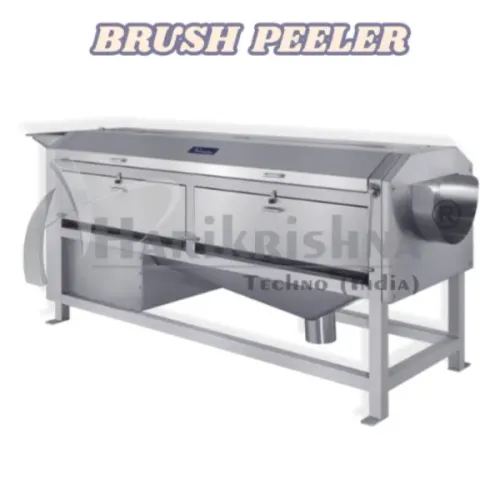
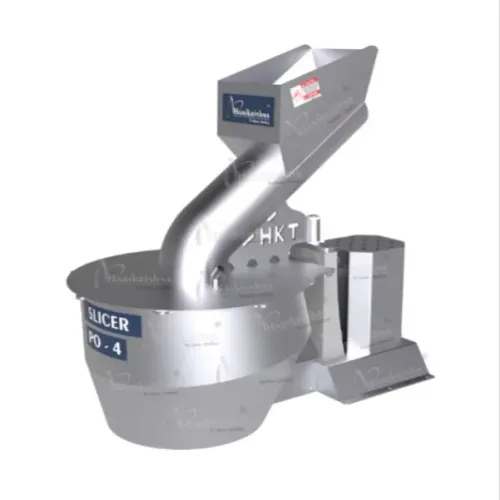
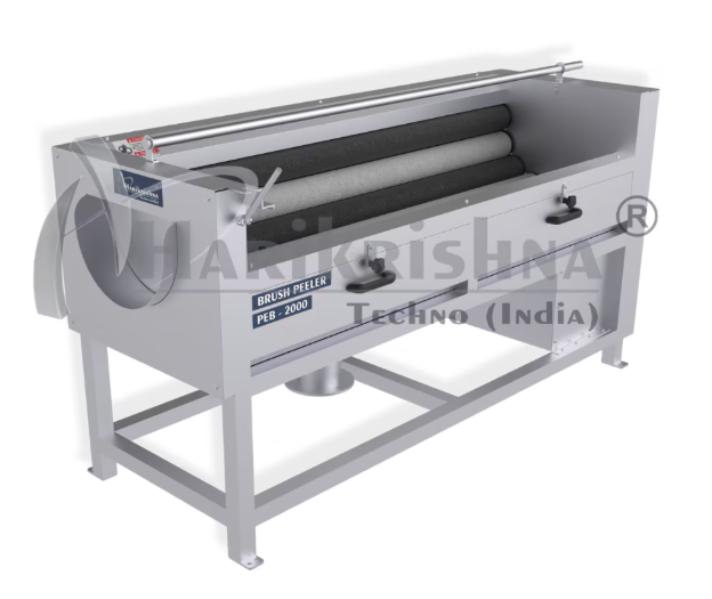
A Vegetable Cutting Machine for High Production is designed to support businesses that need faster, more repeatable preparation of vegetables before cooking, dehydration, freezing, packing, or further processing.
For food-processing operations in Rajkot, the decision to automate cutting should begin with the product and required cut rather than machine speed alone.
Businesses That Commonly Need High-Volume Cutting
High-production vegetable cutting equipment can be useful in:
- Food-processing factories
- Dehydration units
- Frozen food facilities
- Central kitchens
- Catering production centres
- Ready-to-cook food units
- Institutional kitchens
- Vegetable packing operations
The exact machine configuration should match the raw material being processed.
Why Cut Quality Matters
Processing speed has limited value if vegetables emerge damaged or irregular.
Consistent dimensions can support predictable performance in later stages such as blanching, drying, frying, cooking, freezing, or packing. Product appearance may also matter where cut vegetables are sold directly to consumers or institutional buyers.
Before selecting machinery, processors should consider whether they require slices, cubes, strips, sticks, or another format.
Capacity Must Be Viewed Realistically
Published machine capacity is only one factor in actual production.
Real output can also depend on:
- Vegetable type and size
- Feeding consistency
- Required cut dimensions
- Operator practices
- Cleaning interruptions
- Upstream washing and preparation
- Downstream handling capacity
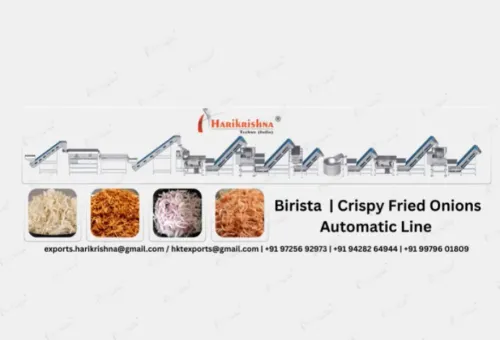
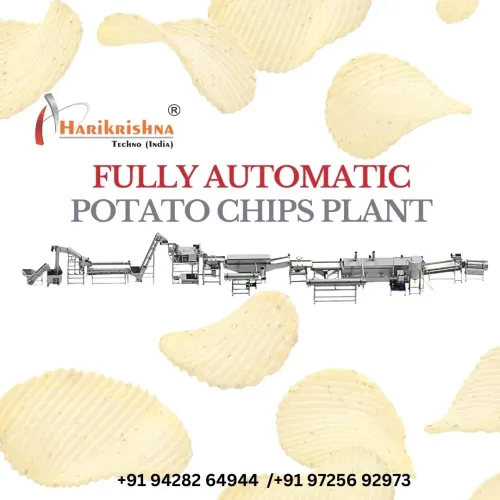
A cutting machine capable of high throughput can still create congestion if conveyors, washers, inspection tables, or packing equipment cannot handle the same flow.
Automation Should Solve a Defined Problem
HARIKRISHNA TECHNO (INDIA) manufactures food-processing machinery for commercial production requirements. Businesses evaluating high-volume cutting equipment should communicate their raw materials, target output, cut specifications, and operating conditions before finalising a model.
For processors in Rajkot and across Gujarat, mechanised vegetable preparation can help reduce dependence on repetitive manual cutting while supporting a more structured production flow.
The strongest reason to invest is not simply to process vegetables faster. It is to create a cutting stage that fits naturally into the wider production line and provides consistent output that downstream processes can handle efficiently.
Keywords