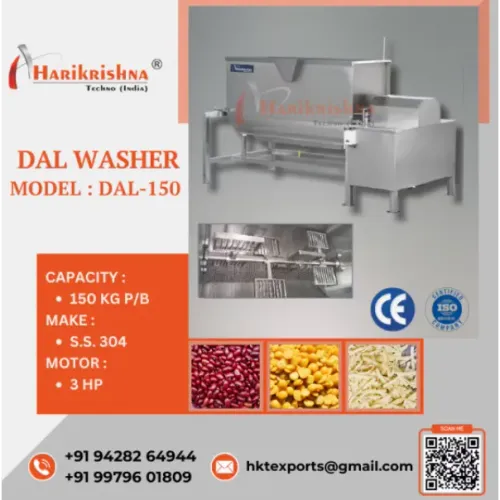
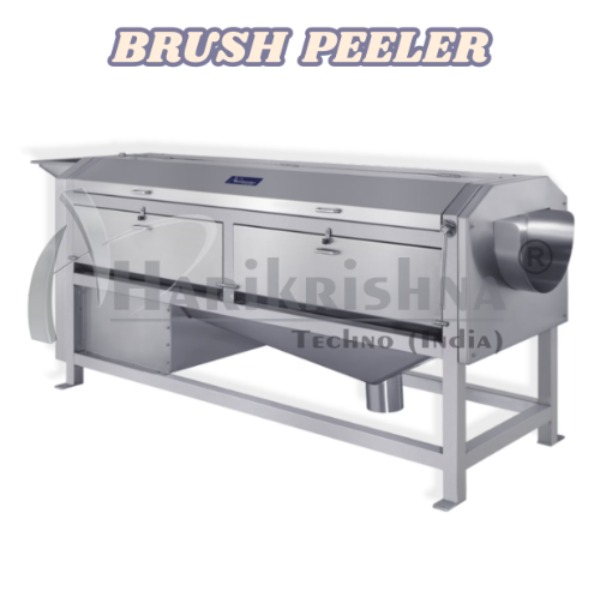
Dehydrated ginger is used across spice processing, seasoning production, food manufacturing, and ingredient supply. Producing it consistently at commercial scale requires control over several stages, including cleaning, peeling, cutting, drying, and final handling.
Choosing a Ginger Dehydration Plant Manufacturer in Gujarat therefore requires more evaluation than comparing machine capacities on a quotation.
For food processors in Rajkot, understanding the processing requirements first can prevent capacity mismatches and inefficient plant layouts later.
Ginger Preparation Affects the Drying Stage
Fresh ginger can arrive with soil, irregular surfaces, varying sizes, and differences in moisture content. Appropriate preparation is important before dehydration begins.
A commercial process may include:
- Raw ginger inspection
- Washing
- Surface cleaning
- Peeling where required
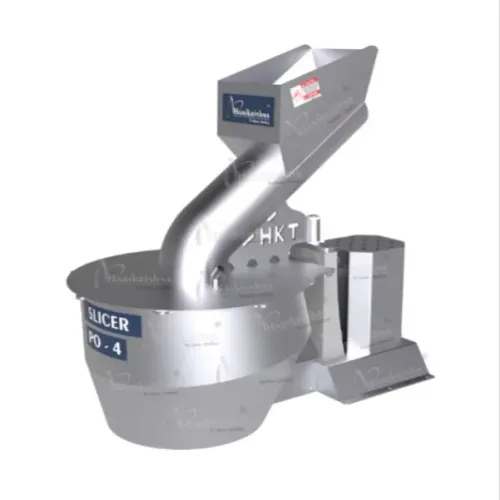
- Slicing or cutting
- Dehydration
- Cooling
- Grading
- Packing
The configuration depends on the finished product and production volume.
Cutting Consistency Deserves Attention
Piece dimensions influence drying behaviour. When ginger slices differ substantially in thickness, moisture removal can become less uniform.
A consistent cutting process can help operators maintain more predictable drying conditions and reduce unnecessary variation between batches.
This makes the relationship between the cutting machine and dehydration system an important part of plant planning.
Questions Worth Asking Before Equipment Selection
Rather than beginning with machine price, processors should define operational requirements.
Useful questions include:
- What quantity of raw ginger will be processed daily?
- What finished form is required?
- How many shifts will the plant operate?
- What utilities are available?
- How much floor space can be allocated?
- How will equipment be cleaned?
- Is future capacity expansion expected?
Clear answers make technical discussions with manufacturers considerably more productive.
Plant Layout Can Influence Daily Efficiency
Material should ideally move through processing stages without excessive backtracking or unnecessary manual transfer. Operators also need sufficient access for inspection, sanitation, maintenance, and routine adjustments.
HARIKRISHNA TECHNO (INDIA), based in the food-processing machinery segment, can be evaluated by businesses looking for equipment suited to specific ginger processing requirements.
Rajkot has access to Gujarat's wider engineering and food-processing ecosystem, making machinery selection an important part of establishing an efficient operation.
A suitable dehydration plant is ultimately one in which preparation capacity, drying capacity, utilities, floor layout, and desired output are properly aligned. Evaluating those factors before purchase gives processors a stronger foundation for reliable commercial production.
Keywords