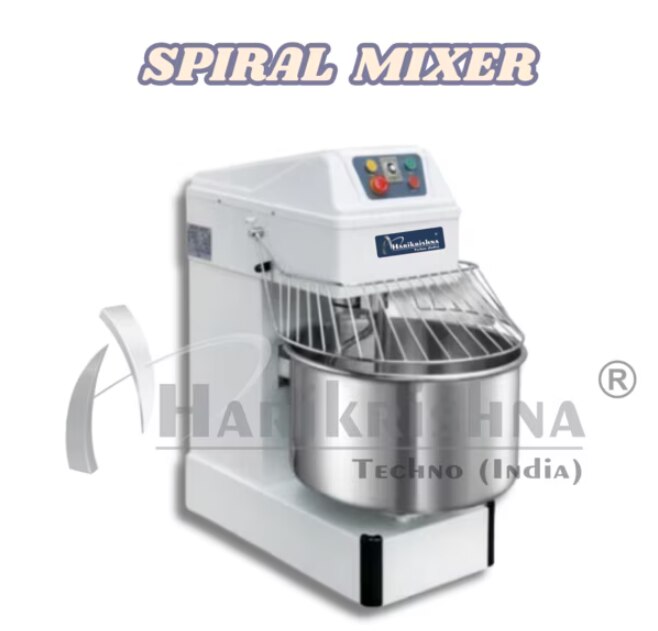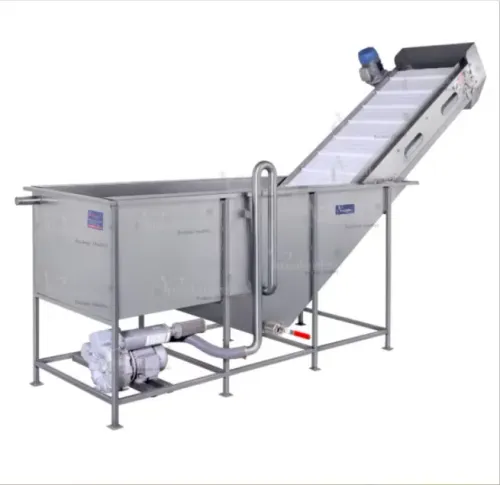
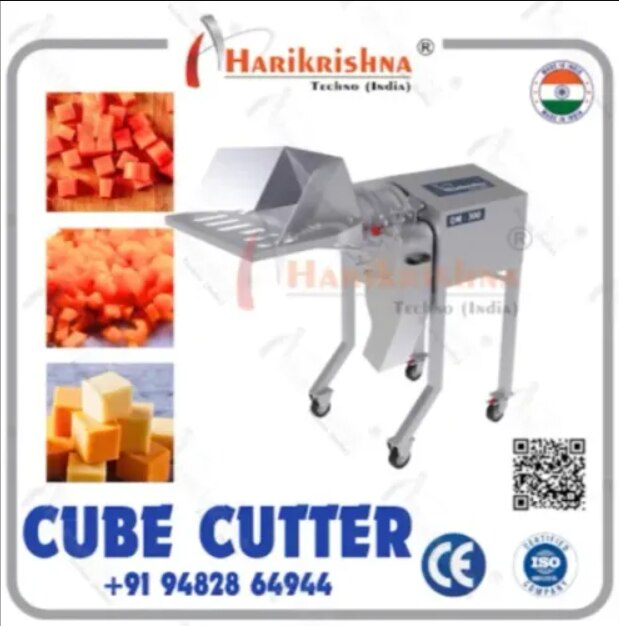
The right cutting machine depends first on the finished potato product, then on the quantity you can process during a short harvest or storage window. By separating dicing from slicing, calculating usable seasonal throughput and checking the full process layout, you can choose equipment that earns its floor space instead of sitting idle.
Key takeaways
- Choose cube or baton dimensions before comparing dicer models.
- Calculate output from usable potatoes after sorting, peeling and trimming.
- Match potato firmness, feed method and cutting stage to the machine.
- Use a field-potato acceptance test for size, breakage and throughput.
Choose the cut before you choose the machine
Choose the finished cut first: a dicer makes cubes or rectangular batons, while a slicer makes thin, flat discs. For frozen diced potato, ready-to-cook cubes, aloo products, soups, salads and mixed vegetables, a vegetable dicer for seasonal potato production in Rajkot commonly targets 6–10 mm cubes.
| Option | Finished shape | Suitable products |
|---|---|---|
| Vegetable dicer | 6–10 mm cubes or rectangular batons | Frozen potato, ready-to-cook cubes, aloo products, soups, salads and mixed vegetables |
| French-fry cutter | Longer rectangular sections, commonly 7–12 mm wide | French fries and potato strips |
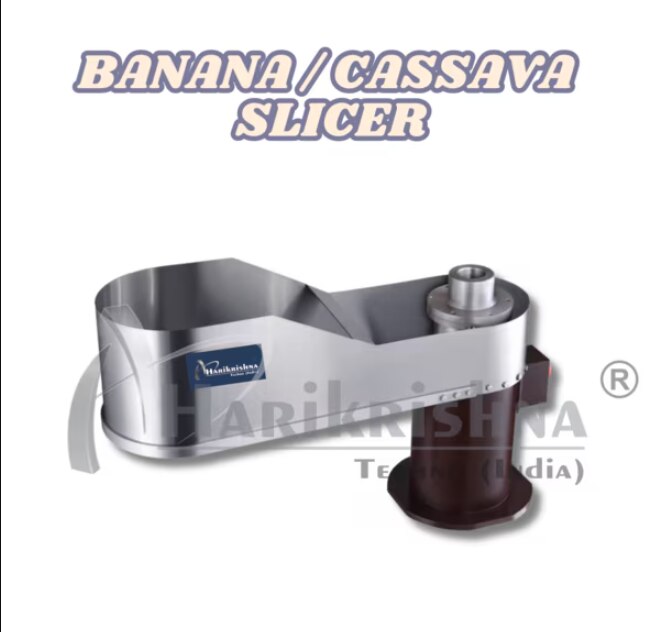
| Potato chip slicer | Thin, flat discs | Conventional chips and wafers |
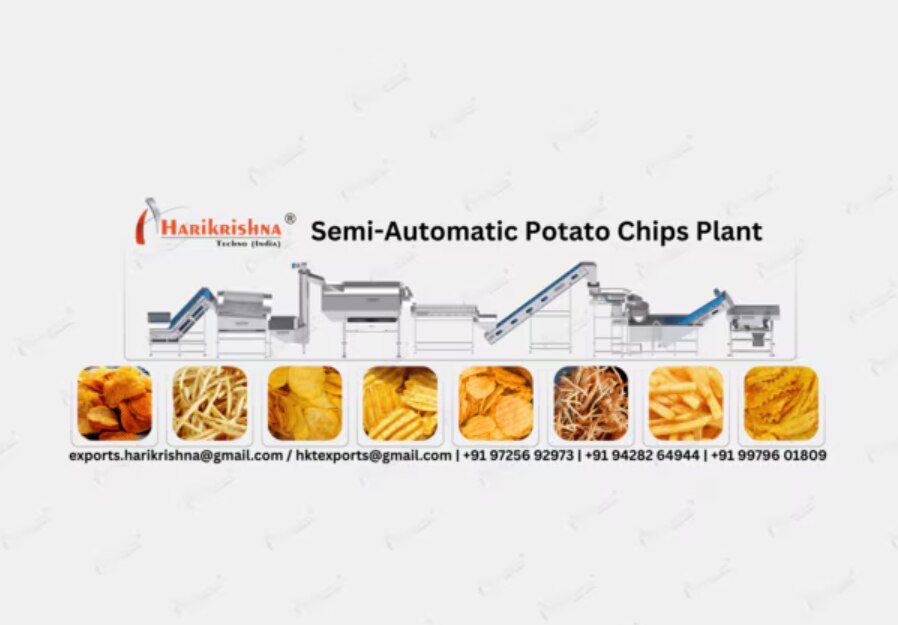
A dicer cannot replace the slicing stage for conventional chips or wafers. If a quotation describes an automatic potato chips plant in Rajkot, require it to identify whether the cutting module is a slicer, dicer or both; otherwise you cannot compare the proposed line with your product.
Define “potato production machine in Rajkot” before requesting prices. State the raw-potato input rate, finished cut dimensions, cooking method and packing format.
- Ask for a dicer when the product is cubed or baton-shaped.
- Ask for a slicer when the product is thin and flat.
- Ask for a cutter or complete line when frying, blanching, cooling, dewatering and packing must be integrated.
Do not treat every potato machine as interchangeable: knife geometry, feed orientation and downstream cooking depend on the cut.
Calculate seasonal capacity from usable potatoes, not the nameplate
A 1,000 kg peak finished requirement over 10 planned production hours needs 100 kg finished per hour. Divide by usable yield after sorting, peeling and trimming, then allow for sanitation, changeovers and downtime: required input kg/h = finished kg/day ÷ planned hours ÷ yield ÷ productive-time fraction.
Record available operating days, hours per shift, shifts per day, peak tonnes or kilograms per day, and days before the next usable crop or stored lot arrives. Compare the result with tested throughput at your selected cut, using actual seasonal potatoes—not a headline rate achieved with uniform laboratory potatoes.
| Manual cutting | Lowest capital; high labour and variable size | Small volumes or uncertain seasons |
|---|---|---|
| Batch cutter | Moderate labour; repeated loading and cleaning | Intermittent production |
| Semi-automatic dicer | Better consistency; operator-dependent feeding | Seasonal volumes needing controlled cubes |
| Continuous automatic dicer | Higher consistency and output; greater capital and cleaning responsibility | Predictable supply and longer runs |
| Integrated line | Lowest handling labour; highest capital and lowest seasonal utilisation | Potato and non-potato work can fill idle months |
Ask whether off-season storage, operators in Rajkot or nearby Gujarat districts, and local spare parts are secured. Confirm that the line has enough non-potato work to justify idle months.
Contract processing, rental, shared production or a modular line is safer when supply, labour or utilisation remains uncertain; seasonal potato processing equipment should not be bought for nameplate capacity alone.
Match potato condition and process layout to the cutting stage
1. Start with the tuber, not the machine. Match variety, maturity, diameter, firmness, dry matter and starch to the finished product. Cured, sound potatoes with uniform sizes cut more cleanly; immature, bruised or low-dry-matter tubers create breakage, fines, trimming loss and greater oil uptake. Remove soil and stones before sizing.
A vegetable dicer in Rajkot cannot compensate for oversize tubers or poor grading.
2. Set storage temperature for the cultivar and end use, not simply as low as possible. Chipping potatoes held too cold can develop reducing sugars through cold-induced sweetening, causing dark fried colour. Confirm that the potato has cured properly after harvest, then inspect for bruising, soft areas and decay before feeding.
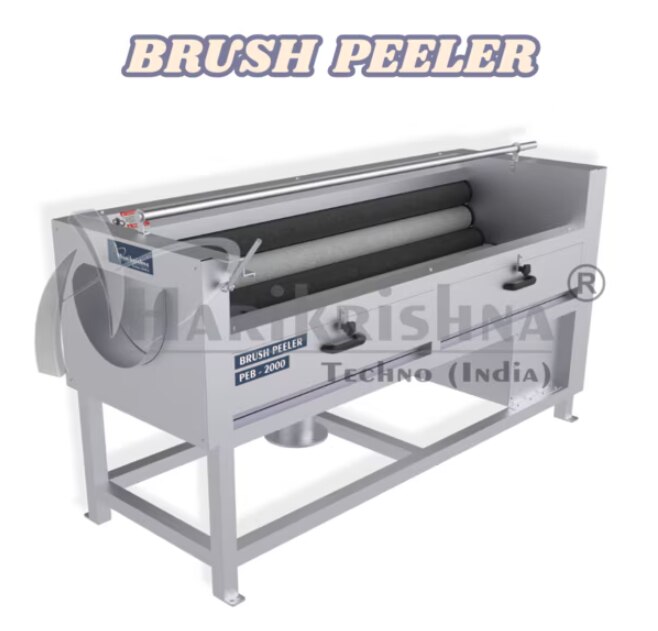
3. Balance the line in this order: receiving and inspection, grading, washing, peeling or trimming, cutting, fines removal, optional blanching, cooling, dewatering, frying or cooking, packing and cold storage. Peel before dicing when the specification excludes skin; an unpeeled cut is acceptable only when the product specification permits it.
Blanch before dicing only when the recipe requires whole-tuber treatment; otherwise blanch the cut pieces. Separate water circuits for washing, peeling, blanching and cleaning, and obtain a water balance covering starch, soil and fines loads plus a wastewater-treatment plan. A dicer performs well only when the surrounding process does.
Use a specification and acceptance test that reflects field potatoes
Accept a dicer only after it passes a trial with your own potato varieties, size distribution and stored condition. Uniform laboratory potatoes can overstate usable throughput; field lots expose oversize tubers, softness, bruising and uneven cuts. Dull or damaged knives compress the potato, increasing bruising, breakage and fines.
Knife assemblies that cannot be removed quickly turn cleaning into sanitation downtime.
Request this specification checklist:
- Feed-opening dimensions; acceptable potato diameter; cube and baton ranges, such as 6–10 mm cubes; knife geometry and orientation.
- Hourly output at the selected cut; motor load; product temperature rise; product loss; changeover time; wash-water requirement; voltage, phase and frequency.
- Food-contact stainless grade, weld finish, drainability, gasket material, guarding and cleanability. “Stainless steel” alone is incomplete.
- For diced potato, strips and other vegetables, include screens, conveyors and wash settings, plus the time and labour to change each one.
Measure the following during acceptance:
| Trial measure | Record | Why it matters |
|---|---|---|
| Cut-size distribution | Percentage within specification | Confirms the stated dimension |
| Broken pieces and fines | Separate percentages by weight | Shows compression and saleable loss |
| Saleable yield | Input weight versus accepted output | Tests commercial recovery |
| Cleaning duration and knife-change time | Minutes, tools and operators required | Exposes sanitation and maintenance downtime |
Require a maintenance list for knives, screens, belts, bearings and seals, with stocked critical spares and a defined local replacement plan. A machine that cuts correctly for one batch but cannot be cleaned or repaired promptly is not a reliable seasonal asset.
Connect the machine choice to a practical Rajkot buying decision
An automatic potato chips plant in Rajkot is constrained by more than its slicer. Check fryer heat-transfer duty, oil filtration or turnover, residence-time control, exhaust and ventilation, final-moisture monitoring, and fried-colour control before accepting an output claim.
| Option | What to request | When it fits |
|---|---|---|
| Standalone dicer | Cut size, tested throughput, utilities and installation | One diced product or limited seasonal use |
| Modular seasonal line | Line balance, changeover time, blanching, cooling, dewatering and packing | Diced potato plus other vegetables |
| Complete integrated plant | Full process flow, controls, commissioning and service scope | Continuous production with wider product demand |
For diced products, specify blanching, cooling, dewatering, freezing or cooking, and packing requirements instead of fryer capacity. Request each option as a separate quotation, with operator training, cleaning procedure, commissioning test and warranty exclusions written into the offer.
Ask HARIKRISHNA TECHNO (INDIA), a Rajkot-based equipment manufacturer, to distinguish dicing equipment from chip slicing and demonstrate performance on your actual seasonal potato sizes and condition.
Your brief should also state raw-potato input, finished cut, cooking method, pack format, utilities and saleable yield. Include water and wastewater requirements for washing, blanching and cleaning; a dicer supplier’s water figure does not cover the whole plant.
Buy when utilisation, labour savings and product consistency support year-round value. Choose contract processing, rental or shared production when the machine would sit idle and local support is uncertain.
Related product
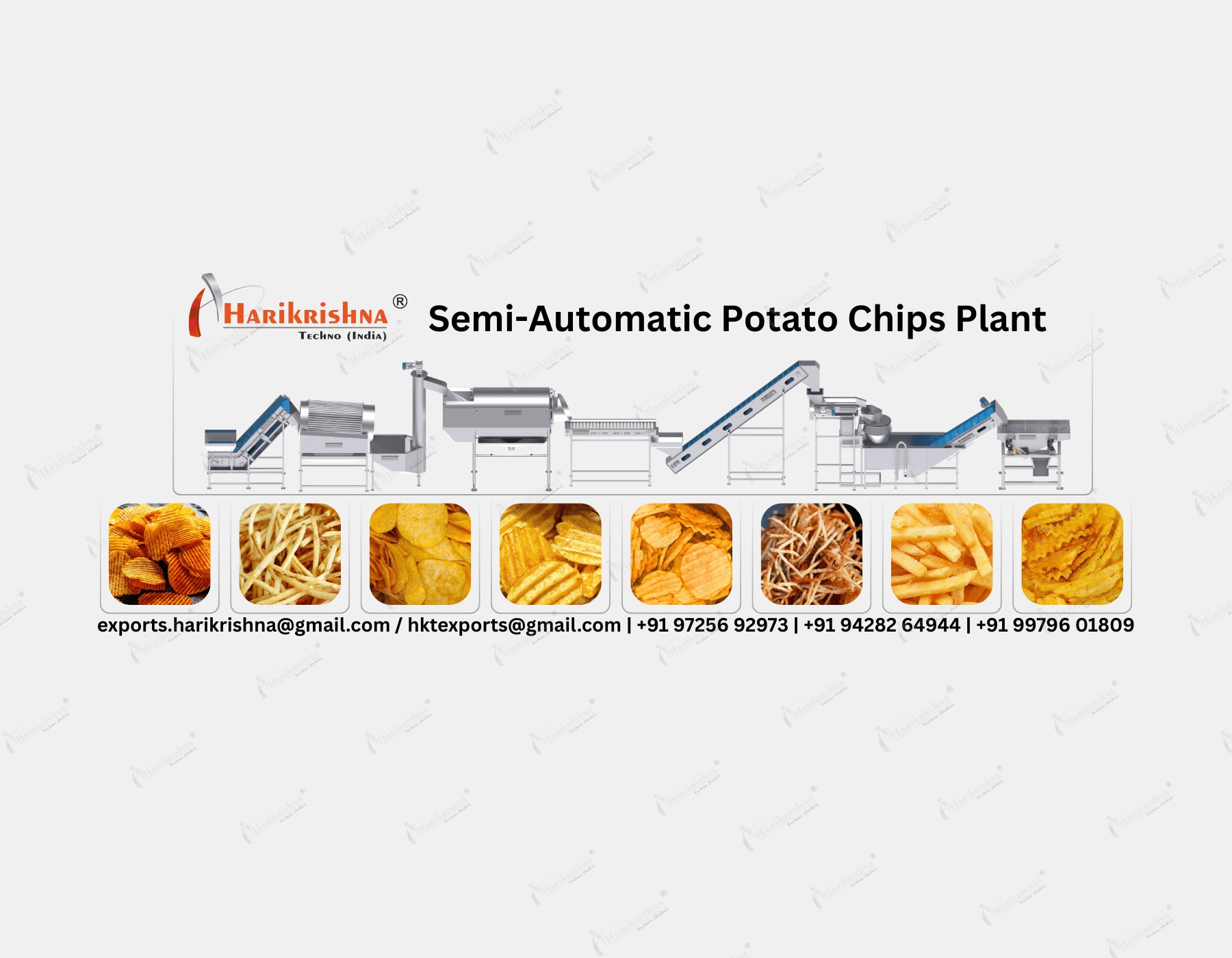 | AUTOMATIC POTATO CHIPS PLANT At Harikrishna Techno India, we understand that a perfect potato chip is a blend of quality ingredients and precision engineering. View product → |
Frequently asked questions
What cut should you choose before buying a potato machine?
Choose cubes or rectangular batons for diced potato, ready-to-cook products, soups and salads. Choose thin, flat discs for chips; a dicer does not replace a slicer.
How do you calculate seasonal potato dicer capacity?
Base the calculation on usable potatoes after sorting, peeling, trimming and rejects, then compare that hourly requirement with tested machine throughput rather than the nameplate figure.
What potato conditions affect dicer performance?
Potato size, firmness, temperature, surface moisture and foreign material affect feeding, cut accuracy, breakage and cleaning. Test the machine with representative field potatoes.
What should a potato dicer acceptance test measure?
Measure cube or baton dimensions, percentage of off-size pieces, breakage, product loss, feed interruptions, cleaning time and output using the potatoes you will process.
Keywords