A bakery searching for equipment in Rajkot must first confirm that the line creates a true intersecting lattice cut, then establish whether the machinery is in stock, made to order or assembled as a complete plant. By the end, you will have a practical checklist for comparing capacity, utilities, commissioning support and product-quality controls before requesting a quotation.
Key takeaways
- Specify intersecting lattice blades, not only thin or crinkle slicing.
- Confirm washing, blanching, frying, seasoning and packing stages together.
- Request a live trial using your potato variety and target slice thickness.
- Match fryer output, electrical load, water use and floor space to capacity.
What makes a criss-cross chips plant different from a standard slicer?
A potato chips machine in Rajkot does not produce a lattice slice merely because it makes thin, uniform cuts. Criss-cross chips need intersecting ridges from a crinkle, waffle or dedicated lattice blade arrangement.
The potato must be held and fed consistently while one cutting direction intersects the other, either inside a specially arranged cutting head or through two coordinated cutting stages. A flat slicing disc or ordinary straight-blade slicer cannot create this pattern.
- Ask whether both cutting directions are produced in one pass, or whether the cutter uses two stages. Confirm whether the cutting head is a separate module.
- Request a live trial using your intended potato diameter, length, firmness and slice thickness. Cutter throughput is a bottleneck, and its rating changes with feed orientation, blade sharpness and potato condition.
- Ask for the accepted-piece percentage, thickness tolerance, blade replacement interval and sample chips. Confirm how the line removes or handles broken and misshaped slices instead of sending them to frying.
- Check that food-contact parts, guards, drainage and washdown construction suit the bakery’s operation, and ask whether replacement blades, belts and seals are locally obtainable.
A criss cross chips production plant needs proof of the actual cut, not a catalogue photograph. PO-series descriptions that promise thin, uniform slices do not establish a waffle or lattice result; only a production trial and physical samples can confirm capability.
What process flow does a bakery need from potato to packed lattice chips?
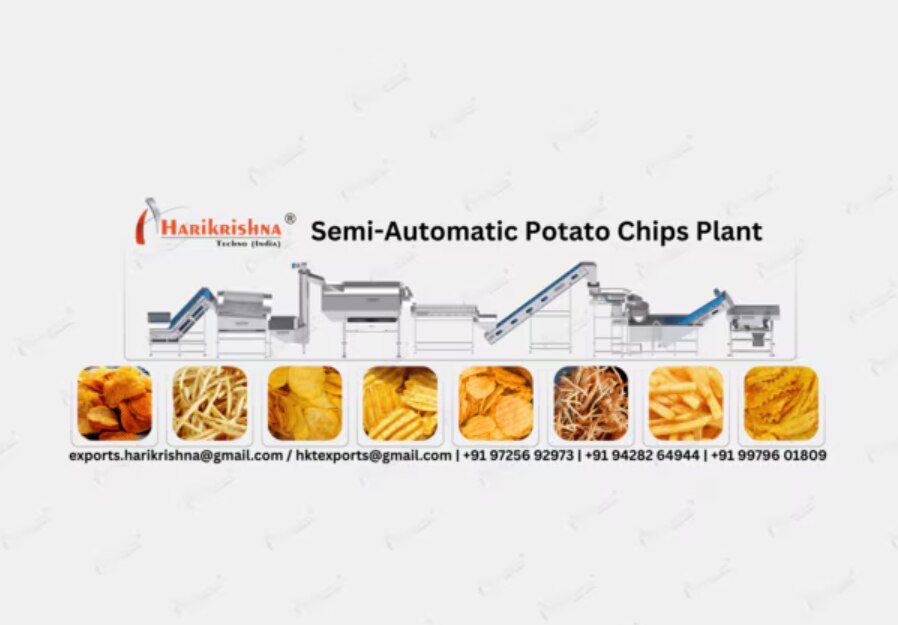
A complete criss cross chips production plant moves product through controlled stages, not directly from slicer to fryer. A bakery should require this sequence:
1. Receive and grade potatoes by size and condition. Remove stones, soil clods and damaged potatoes before washing; show where operators inspect, reject and collect waste.
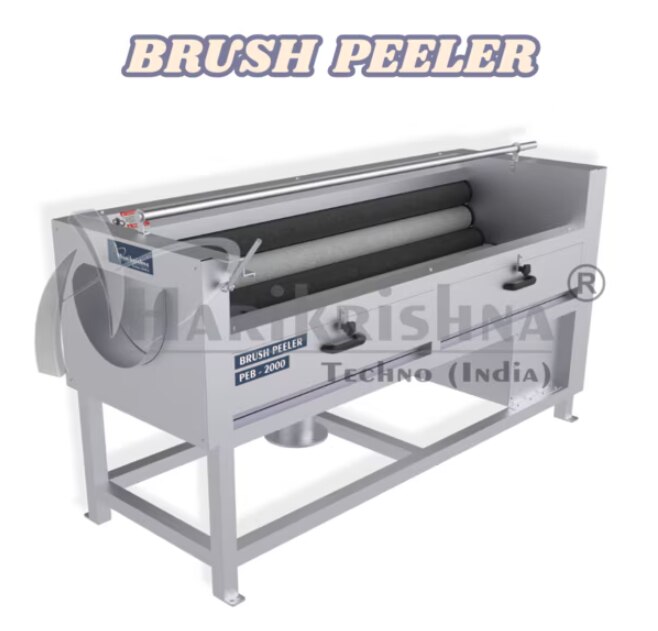
2. Wash, peel, inspect and trim the potatoes. Operators should remove eyes, green portions and remaining defects before the criss-cross cutting head.
3. Slice into lattice pieces, then rinse the slices to remove starch and surface solids. Leaving them in place can increase fryer foaming, darkening and deposits; dewatering then limits the water entering hot oil.
4. Add blanching only if the agreed recipe requires it. Specify the blanching temperature and time, followed by effective dewatering.
5. Fry with documented heating method, oil volume, operating temperature range, residence-time control, filtration arrangement and heat recovery. Include oil handling, filtration cleaning and disposal or replenishment procedures.
6. Season, with a defined replenishment point for operators, then cool gently. The conveyor must support fragile, irregular lattice chips without crushing them.
7. Weigh and pack to the target pack weight using suitable film, nitrogen or gas flushing where required, a residual-oxygen target and a seal-integrity test. State allowable breakage.
A quotation listing only a slicer and fryer omits washing, water reuse, drainage, dewatering, seasoning, cooling, weighing, packing and reject handling. Ask for a matched packaging system, not merely “automatic packing.”
How can you verify potato criss cross chips plant availability in Rajkot?
Treat “available” as a delivery condition, not a catalogue label. For a potato criss cross chips plant for availability in Rajkot, classify the offer before comparing prices:
1. Equipment physically in stock: request an itemised machine list, serial numbers or stock status, current photographs, dispatch date and the commissioning location.
2. Machinery fabricated after order: obtain the manufacturing lead time, expected dispatch date, installation schedule and written capacity basis. Confirm that food-contact parts are stainless steel and suitable for washdown.
3. Turnkey line: require a complete scope showing how separate machines connect, who supplies the cutter, fryer, oil filter, conveyors, seasoning system, weighing machine and packer, and where the line will be assembled and tested.
Before payment, confirm a site visit, layout review and production trial using your potatoes. Ask for written responsibility for civil work, electrical installation, piping, exhaust, operator training, performance testing and warranty exclusions.
A potato chips plant supplier in Rajkot can reduce transport and service delays, but local fabrication does not prove that every component is locally stocked. Ask for lead times for blades, belts, seals and fryer filters. HARIKRISHNA TECHNO (INDIA) belongs in the comparison only after its measurable scope is documented; “automatic” does not define availability.
Confirm who supplies each imported or outsourced component and who supports it after commissioning.
Related products
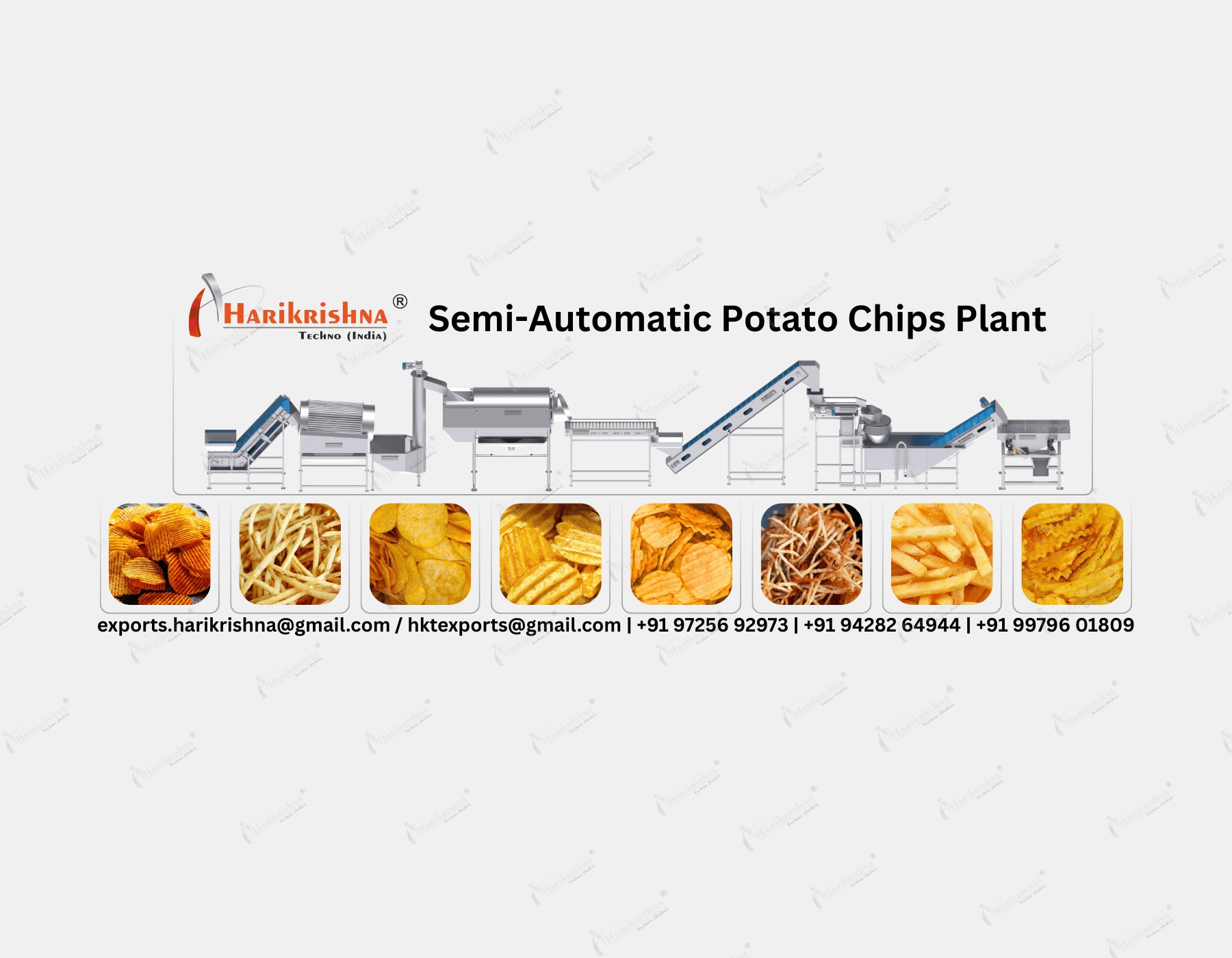 | AUTOMATIC POTATO CHIPS PLANT At Harikrishna Techno India, we understand that a perfect potato chip is a blend of quality ingredients and precision engineering. View product → |
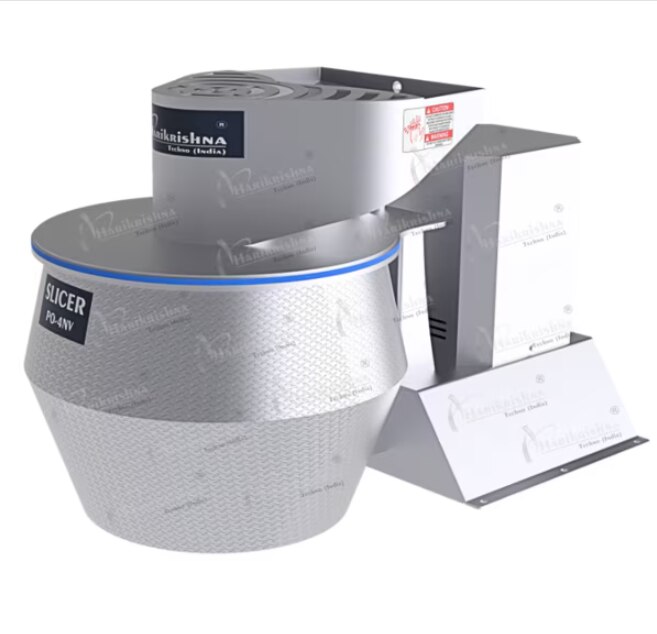
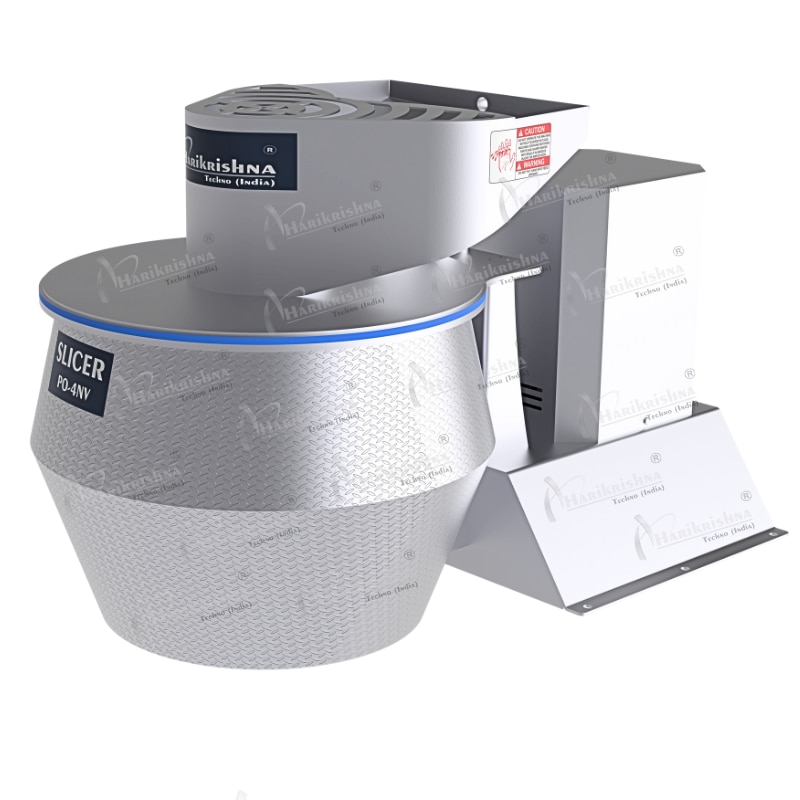 | SLICER Unlock Unprecedented Production with Our High-Capacity Slicer Machines At Harikrishna Techno India, we don't just build machines; we engineer... View product → |
Which capacity and utilities should you specify before choosing automatic equipment?
Specify capacity on one basis only: raw-potato input per hour, sliced-potato feed per hour, or finished packed chips per hour. These figures are not interchangeable because peeling, trimming, washing, frying loss, moisture removal and rejects change the mass flow.
| Option | Capacity basis | Best fit |
|---|---|---|
| Semi-automatic | State raw-potato input or finished packed chips per hour | Smaller batches, available labour and frequent product changes |
| Automatic | State raw-potato input, sliced-potato feed and finished packed chips per hour separately | Matched potato intake, fryer feed, seasoning, weighing and packaging speeds |
Record these details before requesting quotations:
- Slice thickness and tolerance, fryer temperature, residence time and oil volume
- Electrical load, supply phase and connected-load limit
- Compressed-air pressure and consumption
- Water flow, water quality and drainage capacity
- Exhaust requirement, heating or fuel preference
- Total floor space, operator access, food-grade floor plan and washdown area
- Clearance for cleaning around conveyors and fryer guards
Automatic potato chips plant availability does not remove labour. Operators still inspect potatoes, replenish seasoning, change film, check oil quality, clean the line, inspect blades and remove broken or rejected chips.
Ask for a production trial using your potato diameter, length, firmness and intended thickness. Cutter throughput changes with those conditions. Confirm the accepted-piece percentage and the stated capacity basis after peeling, frying and packing losses, not just the cutter’s catalogue rating.
Which quality checks determine whether the finished chips sell consistently?
A successful acceptance test measures saleable packed output, not whether the machines run. Define the raw-potato specification by variety, maturity, storage temperature and storage duration; high reducing sugars cause excessive browning during frying.
Set limits for slice breakage, ridge geometry, thickness tolerance, residual surface moisture, frying colour, finished moisture, oil uptake and seasoning adhesion. Reject batches that exceed agreed limits for dark pieces, curled or incomplete lattices, broken chips or poor seasoning coverage.
Use a commissioning checklist:
- Check oil-temperature uniformity across the fryer, filtration performance and oil-quality measurements at defined intervals.
- Inspect blades daily; check belts and seals, clean the fryer filter, record washdown and sanitation.
- Test pack seal strength, net weight, residual oxygen with gas flushing, and breakage after transport simulation.
- Put food-contact surfaces, guards, electrical drawings, cleaning instructions and spare-parts lists in the handover file.
| Quality measure | Acceptance evidence | Failure consequence |
|---|---|---|
| Thickness and ridge geometry | Tolerance record and lattice sample | Uneven frying, excess oil uptake and breakage |
| Finished product | Moisture, colour, dark-piece and seasoning limits | Inconsistent taste and appearance |
| Packed product | Weight, seal, oxygen and transport tests | Stale or damaged packs |
For a potato criss cross chips plant for availability in Rajkot, identify the responsible food-business operator and applicable FSSAI licence or registration category before production. Automatic potato chips plant availability still requires sanitation and inspection. Agree potato input, packed output, quality limits and utility consumption in writing.
Frequently asked questions
What makes a criss-cross chips plant different from a standard slicer?
A criss-cross plant uses intersecting blade geometry to form a lattice or waffle pattern. A standard slicer produces flat slices, while a crinkle slicer produces parallel ridges only.
What process flow does a bakery need from potato to packed lattice chips?
The line normally covers potato receiving and inspection, washing, peeling, lattice slicing, rinsing, blanching, dewatering, frying, oil removal, seasoning, cooling, weighing and sealing.
How can you verify potato criss cross chips plant availability in Rajkot?
Ask the supplier for the exact machine configuration, current build or dispatch status, blade samples, capacity at your target slice size, installation scope and a production trial using your potatoes.
Which capacity and utilities should you specify before choosing automatic equipment?
State required finished-chip output in kilograms per hour, potato feed rate, operating hours, power supply, water quality and flow, compressed-air needs, frying-oil specification, exhaust requirements and available floor space.
Which quality checks determine whether the finished chips sell consistently?
Check lattice definition, slice thickness, breakage, moisture, colour, oiliness, seasoning coverage, pack seal strength and net weight. Record results by batch and test shelf life in the final pack.
Related products
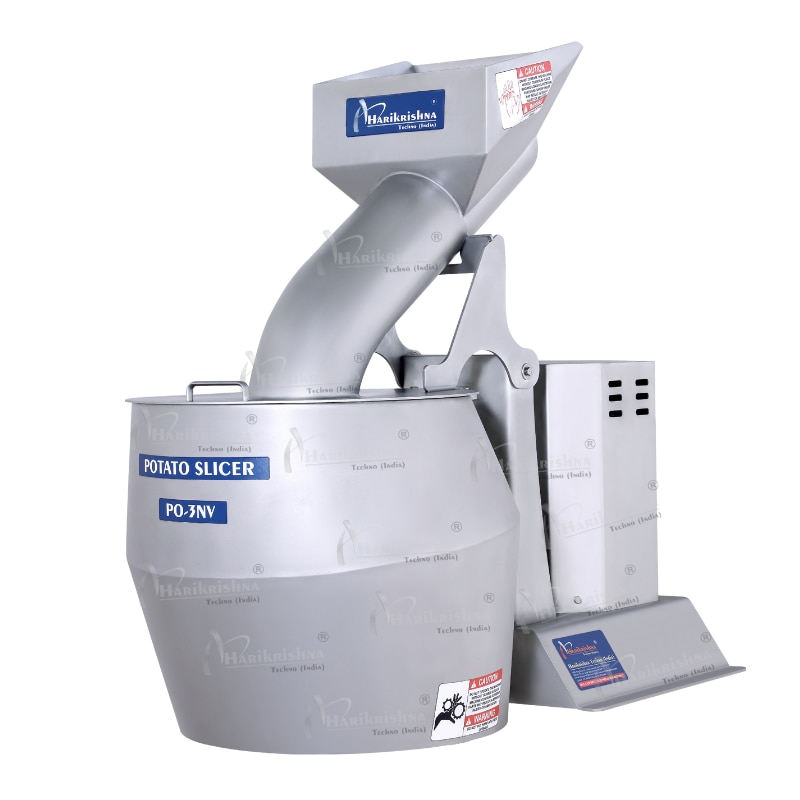 | SLICER Model Po-3NV cutting machine is a crucial piece of equipment in the production of potato chips, designed to efficiently and consistently sliced... View product → |
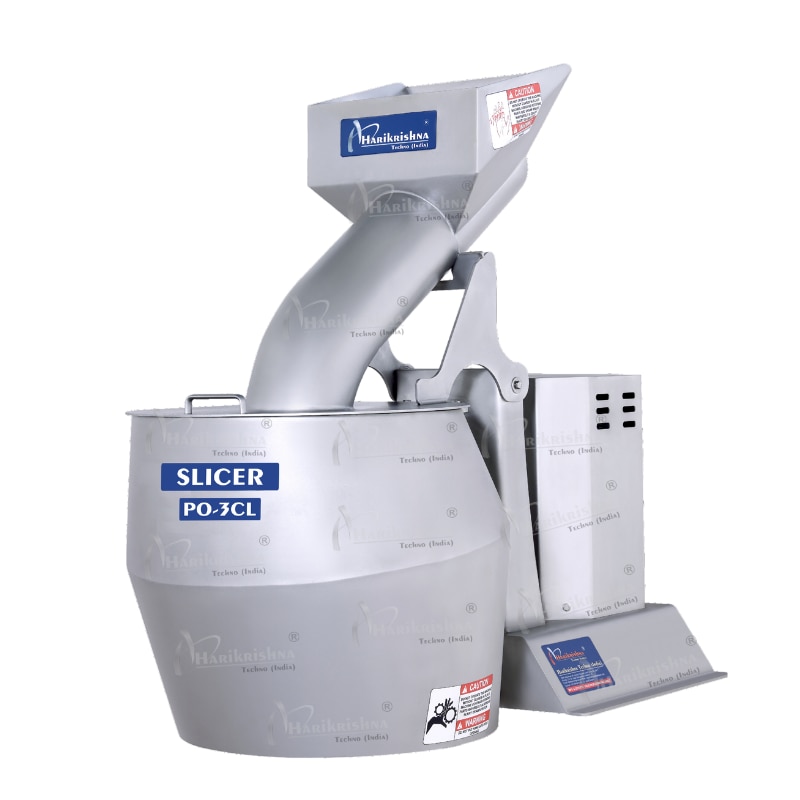 | SLICER Model Po-3CL cutting machine is a crucial piece of equipment in the production of potato chips, designed to efficiently and consistently sliced... View product → |
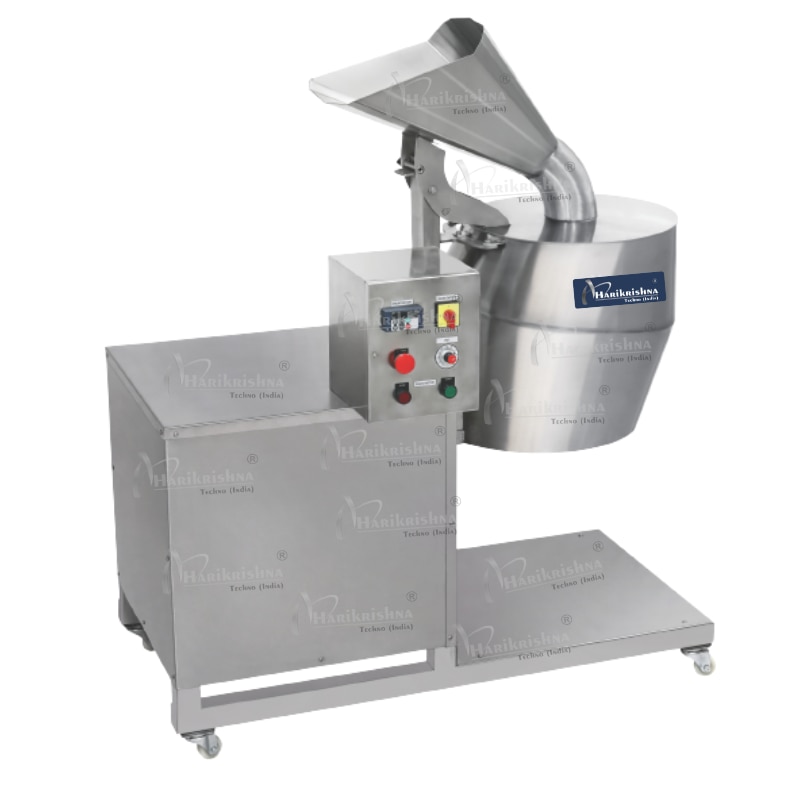 | SLICER Model Po-3 cutting machine is a crucial piece of equipment in the production of potato chips, designed to efficiently and consistently sliced... View product → |
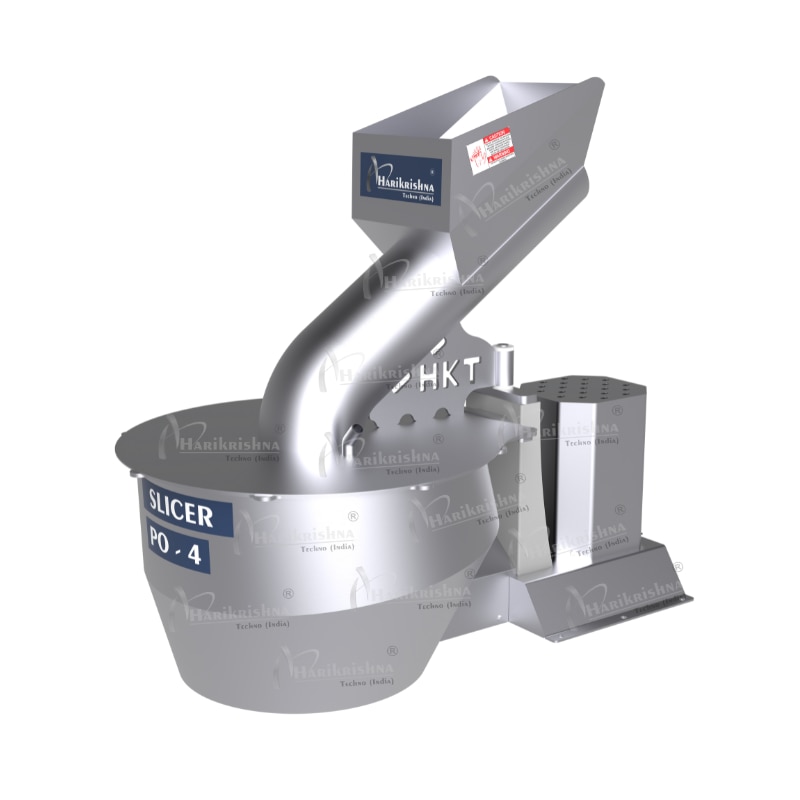 | SLICER Model Po-4 cutting machine is a crucial piece of equipment in the production of potato chips, designed to efficiently and consistently sliced... View product → |
Keywords