Fresh onions contain significant moisture and require carefully controlled processing before they can become dehydrated flakes, slices, granules, or other shelf-stable products. For commercial processors, dehydration therefore depends on a sequence of preparation and moisture-reduction stages rather than simply placing cut onions inside a dryer.
An experienced Onion Dehydration Plant Manufacturer in Gujarat can help processors understand how raw material preparation, cutting uniformity, drying conditions, hygiene, and material handling influence the final output.
For businesses in Rajkot, onion processing can be particularly relevant because Gujarat has a strong agricultural and food-processing ecosystem.
The Main Stages of Onion Dehydration
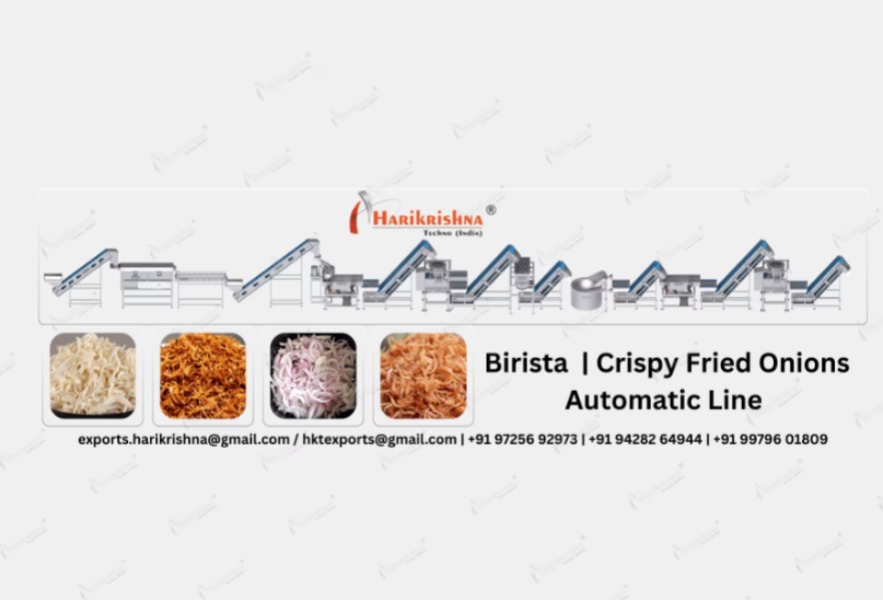
The exact processing arrangement depends on the desired finished product, but commercial onion dehydration commonly involves:
- Receiving and sorting onions
- Removing unsuitable raw material
- Peeling and trimming
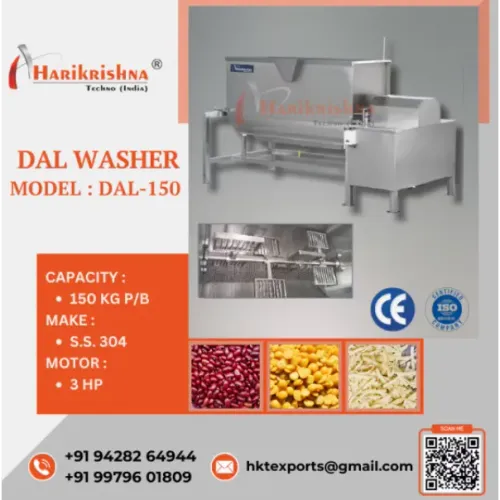
- Washing
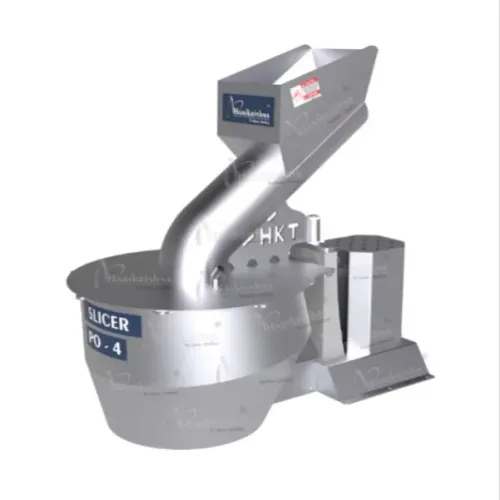
- Cutting or slicing
- Controlled dehydration
- Cooling
- Grading
- Packing
Each stage needs to support the next one. Poor preparation at the beginning can reduce drying consistency later.
Why Slice Uniformity Influences Drying
If onion pieces vary considerably in thickness, they may not lose moisture at the same rate. Thin pieces can dry earlier while thicker sections retain more moisture.
Consistent cutting helps create more predictable dehydration conditions. This can support better control over product texture, appearance, moisture level, and processing time.
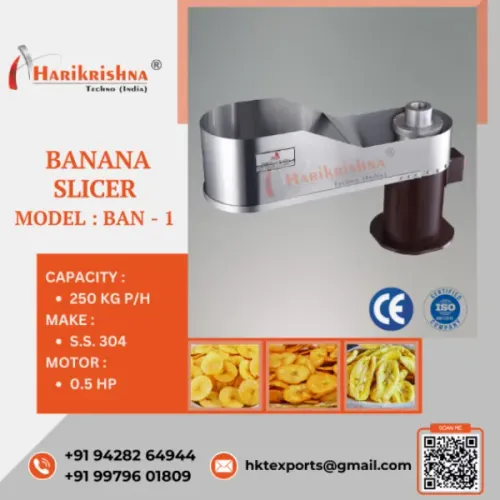
Processors should therefore evaluate cutting equipment alongside the drying system instead of treating them as unrelated purchases.
Hygiene Needs Attention Throughout the Line
Food-contact equipment should be designed with practical cleaning in mind. Onion residue can accumulate around cutting and conveying areas, making accessibility an important consideration.
A well-planned processing setup should make routine cleaning and inspection manageable for operators. Material flow should also reduce unnecessary handling between preparation and dehydration stages.
Matching Equipment With Business Requirements
Before selecting a plant, businesses should establish:
- Expected onion input per hour
- Required final product form
- Available processing space
- Desired automation level
- Utility availability
- Labour requirements
- Cleaning procedures
- Expansion expectations
HARIKRISHNA TECHNO (INDIA) works with food-processing equipment requirements where plant configuration can be planned around production needs.
For Rajkot-based processors evaluating onion dehydration machinery, the important question is not simply how much a machine can process. The complete line should provide balanced capacity across preparation, cutting, drying, and handling.
Understanding these fundamentals helps businesses make more informed decisions when developing or expanding an onion dehydration facility in Gujarat.
Keywords