Stop the line before you start adjusting temperatures, speeds or recipe settings. A controlled shutdown, recorded process data and a subsystem-by-subsystem inspection will show whether the failure began with potatoes, slicing, frying, controls, packing or utilities.
Key takeaways
- Press emergency stop and isolate electrical, pneumatic, gas and oil energy.
- Record batch, temperature, oil, speed and defect details before changing settings.
- Test potato quality, slicing, blanching and dewatering as separate fault sources.
- Call a Rajkot technician for electrical, controls, gas, oil or repeated line failures.
Stop the Line and Preserve the Evidence
Press the emergency stop when the automatic potato chips plant stops or produces defective chips. Isolate electrical and pneumatic energy, close the gas or oil supply, lock out the drive, and prevent anyone from restarting the equipment.
Do not open a guard or clear a jam until stored energy is released and zero movement is confirmed.
Record the condition before changing a setting:
- Fault time, recipe, operator, and the last confirmed good product
- Potato lot, variety, storage history, diameter, and time between cutting and frying
- Slice thickness, fryer inlet and outlet temperatures, oil level, conveyor speed, and product moisture
- The affected section: utilities, raw-potato preparation, frying, de-oiling or seasoning, packing, or controls
- Photographs of the defect, alarm screens, belt position, oil appearance, and damaged components
- Retained samples from acceptable and failed production, sealed and labelled with their times
This evidence is the starting point for automatic potato chips plant troubleshooting. Save the PLC and HMI alarm history, program, and parameter backup before replacing a sensor or control module.
Treat an alarm as a clue, not a diagnosis: a motor-overload trip can come from mechanical drag or low voltage, so check motor-terminal voltage and current under load after isolation. Changes made too early can hide the failed subsystem.
Separate Potato, Slicer, Blancher and Dewatering Faults
Trace the defect backward from the fryer: compare potato condition, slice uniformity, blanching, and surface moisture before changing fryer settings. These checks show whether potato chips production problems began upstream.
1. Inspect the potato lot first. Record variety, storage temperature, sprouting, bruising, diameter, and time cut potatoes remain in water. Fry a representative sample under a controlled recipe; dark colour can come from cold-induced sweetening and high reducing sugars, even when the potatoes look sound.
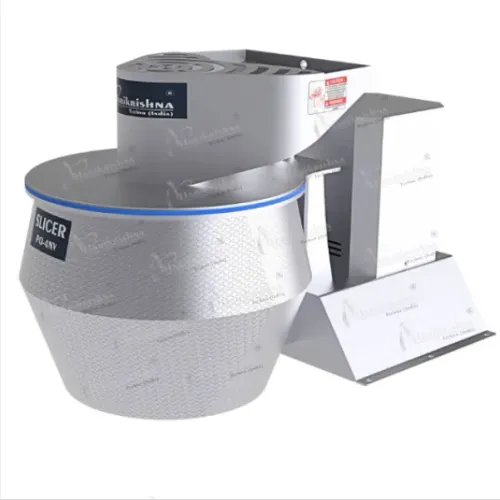
2. Measure slices at several points across the cutter and along the batch. A practical starting range is 1.2–1.8 mm. Thin slices become dark and brittle; thick slices stay soft or retain a wet centre. Broken or uneven slices point to the slicer, feed alignment, or damaged knives rather than the fryer.
3. Check blancher temperature, residence time, water quality, and discharge consistency. Under-blanching leaves excessive reducing sugars and uneven colour; over-blanching weakens slices and increases breakage.
4. Examine dewatering screens, air knives, drainage, washer sprays, and leaks before the fryer. Water entering the oil causes foaming, smoking, splashing, and sudden oil carryover. Do not raise oil temperature to compensate.
Measure finished-chip moisture with a verified moisture analyser. Soft chips indicate excess slice thickness, inadequate dewatering, low fryer temperature, excessive feed, or short residence time; brittle, scorched chips point in the opposite direction. Record slice thickness, blancher readings, moisture, and fryer data before adjusting controls.
Diagnose Frying, Oil and Finished-Chip Defects
Finished-chip moisture is a better frying diagnostic than colour alone. Set an internal moisture specification, then verify the moisture analyser against a laboratory method before adjusting an automatic line.
| Symptom | Likely cause | Confirm it by checking |
|---|---|---|
| Dark chips | High reducing sugars, thin slices, excessive heat, or long residence time | Compare a controlled fry from each potato lot; review storage temperature, slice thickness, and measured oil temperatures |
| Pale chips | Low oil temperature, excessive feed, thick slices, or short residence time | Measure oil at product entry and exit, then compare feed rate and slice measurements |
| Oily chips | Wet product entering the fryer, low oil temperature, overloaded fryer, or poor de-oiling | Inspect air knives, drainage, oil circulation, and finished-chip oil carryover |
| Soft chips | Excess moisture, thick slices, low heat, high feed, or insufficient residence time | Measure moisture and slice thickness; a wet centre confirms incomplete drying |
| Burnt edges | Thin or uneven slices, hot spots, weak oil circulation, or high-sugar potatoes | Compare slices across the cutter and measure temperatures at the inlet, exit, and heating-zone return |
| Foaming or smoking | Water entering the oil, degraded oil, or contamination | Check blancher carryover, washer sprays, air knives, leaks, filtration, and washdown water |
A practical starting slice thickness for many lines is 1.2–1.8 mm; establish the final value against moisture, colour, and breakage limits. A correct displayed setpoint does not prove uniform oil temperature. If water is entering the fryer, do not raise the temperature: splashing and oil breakdown can worsen quickly.
Check Conveyors, Controls, Utilities and Packaging
Start at the last stable section, then inspect the next drive, sensor and transfer point before changing recipe settings. For an automatic potato chip plant for problems in rajkot, preserve the trip time, alarm code, recipe, conveyor speed, temperatures, oil level and pack-weight readings.
- Save the PLC and HMI alarm history, program and parameter backup. Treat an alarm as a clue, not a diagnosis.
- Measure phase-to-phase voltage, phase imbalance, frequency and motor current at the motor terminals while the line is loaded. A motor-overload alarm can come from a seized bearing, product buildup, misaligned chain, low voltage or a wrong overload setting.
- Check belts, chains, sprockets, bearings and guides for slipping, drag, misalignment or potato accumulation. Inspect emergency-stop circuits, guards and proximity sensors for false trips.
- Record compressed-air pressure at the point of use while the fryer, compressor and packer run. Check the dryer, filters, leaks and pneumatic solenoids; pressure falling during simultaneous loading can create valve and control faults.
- Follow inconsistent packs from fryer discharge through the elevator, hopper, weighing head and vertical bagger. Look for bridging, broken product, load-cell vibration, film tracking errors, incorrect registration, and unstable seal-jaw temperature.
- Verify sealing-jaw temperature, dwell time, film tension and seal cleanliness. A temperature change alone will not repair a misaligned film or a contaminated seal.
Do not raise target weight to hide an unstable feeder or damaged load cell; it increases giveaway. Retain acceptable and failed packs, photographs, readings and the exact PLC alarm for the service diagnosis.
Decide When to Call a Rajkot Service Technician
A technician can diagnose the failed subsystem faster when you send a complete fault pack, not only “the line stopped.” Preserve the PLC/HMI program and parameter backup before anyone replaces a control component.
1. Record the fault time, recipe, potato lot, slice thickness, fryer inlet and outlet temperatures, oil level, conveyor speed, and product moisture. Photograph the alarm screen, damaged parts, uneven chips, seals, wiring, and product flow. Retain samples from both acceptable and failed production.
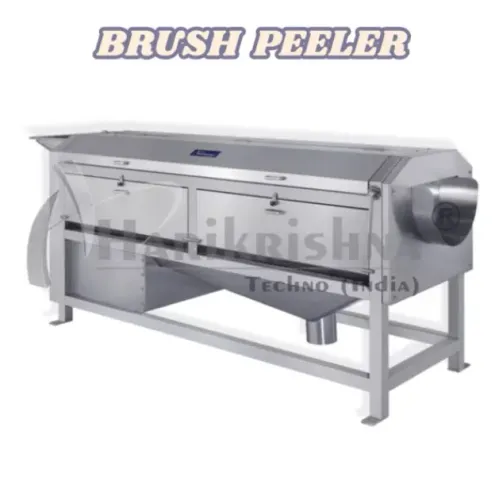
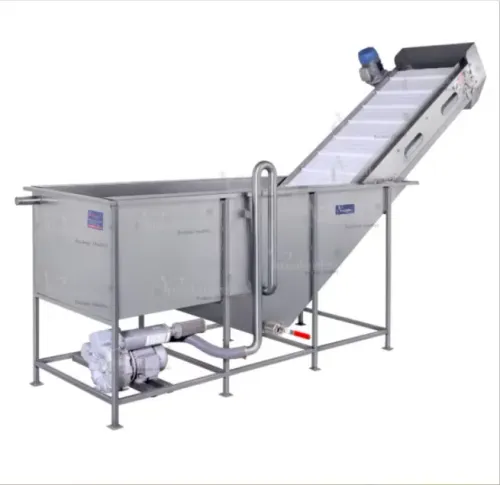
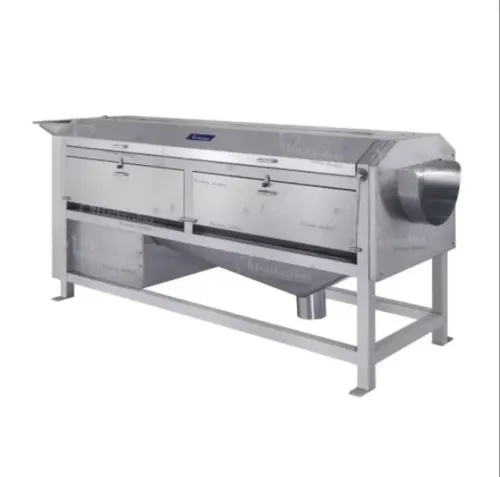
2. Identify the affected zone: utilities, washer or peeler, slicer, blancher, dewatering unit, fryer, filtration, seasoning, conveyor, packing, or controls. Include electrical drawings, PLC/HMI backups, motor and sensor part numbers, fryer oil history, and the exact alarm history.
Compare alarms with terminal voltage, motor current under load, mechanical drag, and air pressure; an overload alarm alone is not a diagnosis.
3. Check utilities at the machine terminals while the fryer, compressor, and packing machine run. Record phase-to-phase voltage, phase imbalance, frequency, compressed-air pressure, and filter or dryer condition. This exposes supply and grounding faults that disappear when equipment runs separately.
4. Pack likely replacements: slicer knives and gauges, proximity and temperature sensors, heater or burner parts, pump seals, conveyor bearings, pneumatic solenoids, load cells, fuses, and sealing elements. Confirm each part number before ordering.
For potato chip plant service in Rajkot, send this information before dispatch. Potato chips machinery support from HARIKRISHNA TECHNO (INDIA) is more useful when technicians receive machine drawings and model numbers with the fault evidence.
Related products
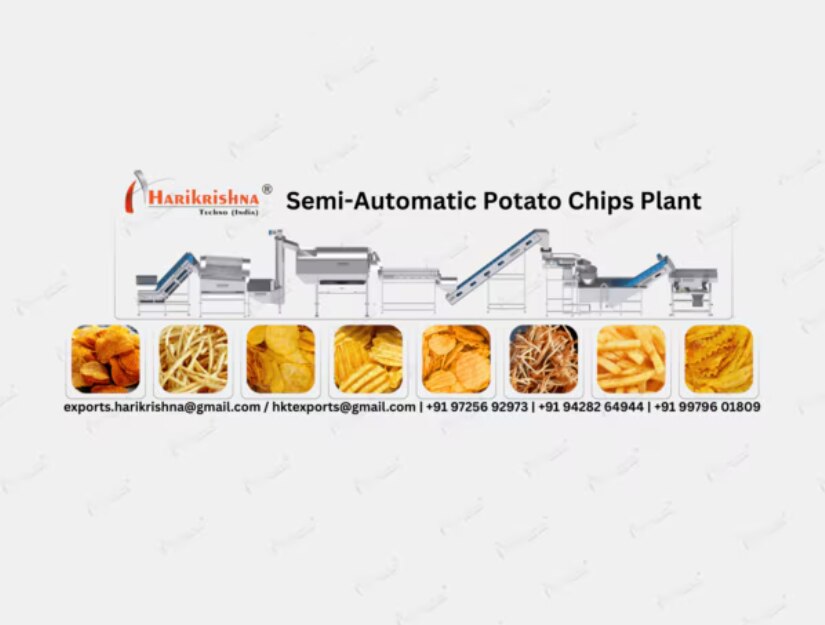
 | AUTOMATIC POTATO CHIPS PLANT At Harikrishna Techno India, we understand that a perfect potato chip is a blend of quality ingredients and precision engineering. View product → |
 | SLICER Unlock Unprecedented Production with Our High-Capacity Slicer Machines At Harikrishna Techno India, we don't just build machines; we engineer... View product → |
Frequently asked questions
What should you do first when an automatic potato chips plant fails?
Press the emergency stop, isolate electrical and pneumatic energy, close gas or oil supplies, lock out drives and stop unauthorised restarting. Preserve the batch, settings, alarms and damaged parts as evidence.
How can you separate potato, slicer, blancher and dewatering faults?
Inspect each stage in sequence. Check potato size and condition, slice thickness, blanching temperature and time, then surface moisture before frying. Compare samples from each stage instead of changing several settings at once.
Which frying and oil defects cause poor potato chips?
Check frying temperature, oil level, oil quality, residence time and conveyor speed. Pale chips, dark edges, excess oil and uneven colour point to different combinations of heat, moisture, loading and oil-condition problems.
When should you call a potato chip plant service technician in Rajkot?
Call a technician when the line has electrical or control alarms, unstable temperature, gas or oil-supply faults, repeated conveyor stoppages, unsafe pressure or recurring defects after basic checks.
Related products
 | SLICER Model Po-3NV cutting machine is a crucial piece of equipment in the production of potato chips, designed to efficiently and consistently sliced... View product → |
 | SLICER Model Po-3CL cutting machine is a crucial piece of equipment in the production of potato chips, designed to efficiently and consistently sliced... View product → |
 | SLICER Model Po-3 cutting machine is a crucial piece of equipment in the production of potato chips, designed to efficiently and consistently sliced... View product → |
 | SLICER Model Po-4 cutting machine is a crucial piece of equipment in the production of potato chips, designed to efficiently and consistently sliced... View product → |
Keywords