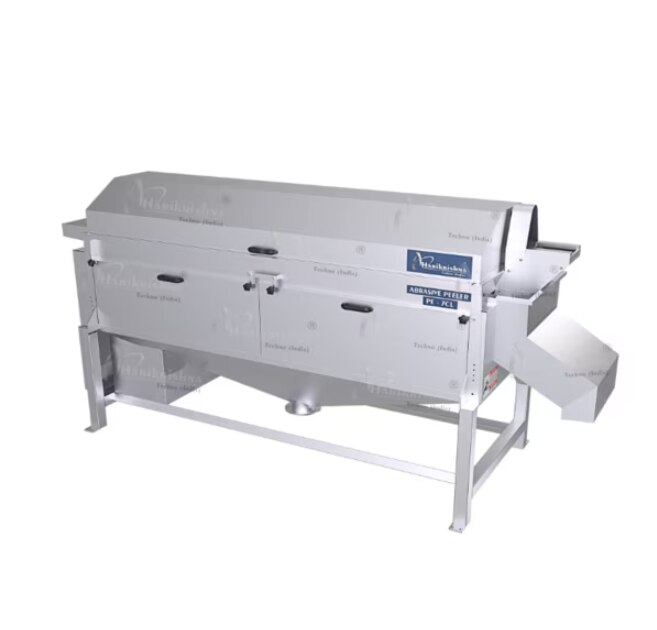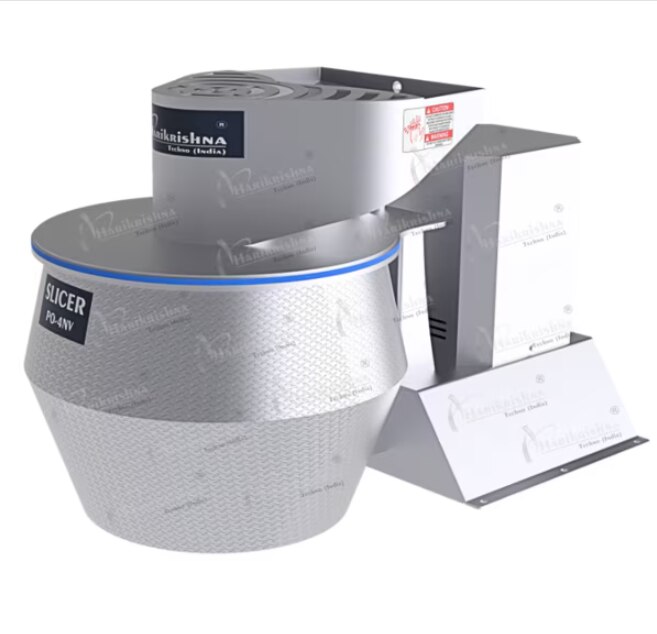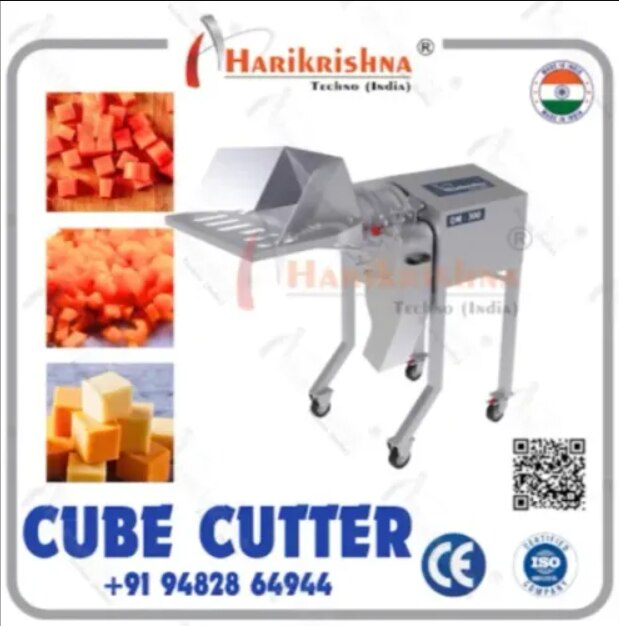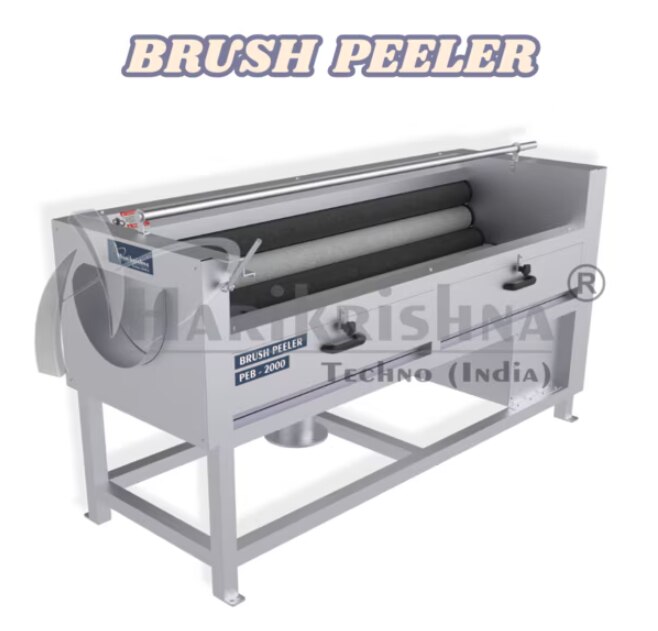
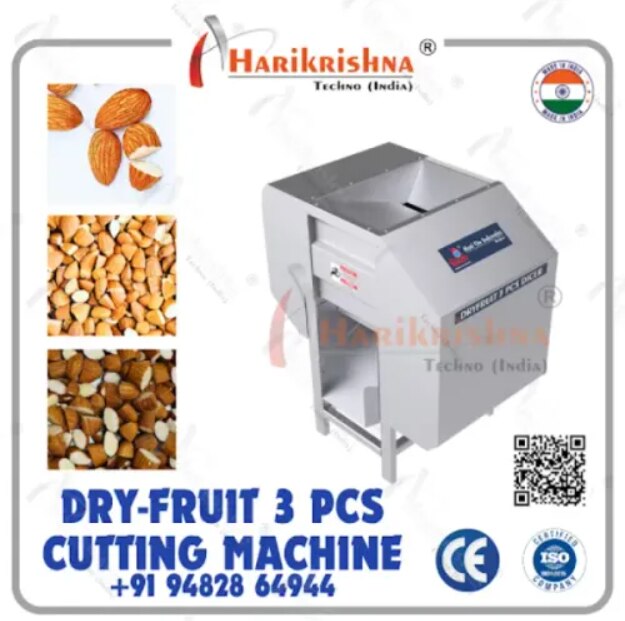
A cutter or brush peeler becomes a food-safety and production risk when dust, oil, loose fasteners, worn bristles, or damaged cutting parts go unchecked. By following a defined isolation, cleaning, inspection, testing, and recording routine, you can reduce irregular cuts, kernel breakage, allergen carryover, and avoidable downtime.
Key takeaways
- Isolate power, air, stored product and rotating parts before opening guards.
- Use dry cleaning methods around motors, bearings and electrical enclosures.
- Replace worn cutters and brushes before they affect almond size or product safety.
- Record inspections and complete a no-load release test before production.
Isolate the machine before opening guards or clearing product
A stop button does not isolate an almond cutter or brush peeler. Before almond cutting machine maintenance, prevent unexpected starting and release every stored energy source, including electrical power, rotating shafts, belt or chain tension, brush momentum, pneumatic pressure and product held above the feed path.
1. Stop the line using its normal control, then switch off the main isolator. Apply your personal lock and tag; do not rely on the stop button, emergency stop or touchscreen command.
2. Isolate connected equipment that could feed or drive the machine. Close and lock pneumatic or hydraulic valves, discharge pressure, and secure raised covers, hoppers or moving parts against gravity.
3. Wait for cutters, brushes and shafts to stop completely. Open the designated drain or bleed point, and verify zero energy with the approved electrical tester and pressure gauge. Try the start control from a safe position, then return it to off.
4. Only after verification, open guards, remove jammed almonds, adjust brush clearance or handle cutters. Keep hands out of pinch points, and use the specified tool rather than reaching through an opening.
5. Refit every guard, fastener and sensor before removing locks. Remove tools and loose parts from the feed and discharge areas, then conduct a documented no-load run followed by a controlled sample.
During brush peeler maintenance in Rajkot, record abnormal noise, vibration, motor overload, brush rotation, cut size, peel removal, kernel breakage and foreign-material findings. Stop the release if any result is abnormal, or if almond residue remains after an allergen changeover check.
Clean almond dust, oil and residue without damaging the machine
Start with dry removal: vacuum almond dust from cutters, guards, feed channels and discharge areas before applying liquid. Use a food-safe nylon brush or non-shedding scraper; do not blast compressed air toward bearings, motor cooling paths, sensors or electrical parts, because powder can enter seals and panels.
- Remove detachable food-contact parts according to the actual OEM manual, then wash them with the specified food-grade detergent and rinse conditions.
- Wipe oil from cutter faces, guides and guards with a compatible degreaser; do not scrape stainless surfaces with carbon-steel tools or abrasive pads.
- Keep water away from bearings, motors, gearboxes, switches, control cabinets and shaft seals unless the machine is rated for that wash-down method.
- Clean the brush and drum without forcing almond fragments behind end seals, then dry every part before refitting.
- Inspect motor vents, belt or chain guards and sensor faces for dust accumulation; increase cleaning frequency when dry-product loading is high.
Almonds are a tree-nut allergen. If the line changes to a non-almond product, follow the plant’s changeover procedure, including dismantling points, brush cleaning or replacement, rinse conditions and an allergen-residue test selected by the hazard analysis; visual cleanliness alone is not verification.
Record the brush-to-product clearance after a successful trial rather than tightening it until peel removal looks perfect. For PEB2000 equipment, confirm the nameplate, serial number and OEM manual before choosing cleaning chemicals or wash-down limits. That is sound almond cutting machine maintenance and spice processor equipment care.
Inspect cutters, drives and feed conditions before restarting
Uniform three-piece cuts depend on cutter geometry, stable drive speed and an even almond feed. After isolating the machine and releasing stored energy, inspect blade edges, holders, spacing, run-out, cracks, burrs, product-contact guides, shafts, bearings and fasteners. Almond buildup or a loose holder changes the cut length before the defect becomes obvious.
Check belt or chain tension, sprocket alignment and gearbox or shaft noise. Remove dust from motor-cooling paths, sensors and guards without forcing it into bearings, seals, switches or control cabinets. Excessive vibration, oil leakage or a rising motor load is a reason to stop, not to compensate by increasing feed speed.
| Visible result | Likely source | Confirm before restarting |
|---|---|---|
| Ragged edges or oversize fragments | Dull, chipped or incorrectly spaced cutter | Check edge condition, holder tightness, blade clearance and run-out |
| Unequal piece lengths | Uneven feed, damaged guide or slipping drive | Check guide alignment, belt or chain tension and shaft rotation |
| Crushing, cracking or excessive breakage | Overloading, high feed rate or unsuitable almond condition | Reduce feed, remove bridging and verify consistent product condition |
| Intermittent cuts | Loose fastener, vibration or incorrect cutter alignment | Check mounts, bearings, fasteners and guarded rotation |
A documented almond cutting machine maintenance release needs a no-load run followed by a controlled sample. Record overload behaviour, abnormal noise, vibration, brush rotation, cut size, peel removal, kernel breakage and foreign-material findings. A blade change, drive adjustment or guide replacement requires this test again.
Check brush wear, clearance, water flow and drum condition
A brush peeler removes peel cleanly only when bristle contact, water flow and drum condition work together. Before opening guards or adjusting the brush, isolate electrical and mechanical energy; a stop button does not prevent unexpected movement.
Record the successful brush-to-product clearance or adjustment position instead of tightening the brush until the surface looks clean, which can raise kernel breakage, heat and motor load.
Use this checklist during an almond 3 pcs cutting machine brush peeler for maintenance in Rajkot:
- Inspect bristles for missing, split, loose or permanently flattened sections. Replace the brush when bristle loss creates a foreign-material risk or peeling performance and kernel breakage move outside your product limits.
- Check the brush mount, shaft and fasteners for looseness, runout and abnormal vibration. A loose mount can produce uneven contact across the drum.
- Confirm that water reaches every intended spray point at a steady flow. Blocked nozzles leave dry peeling zones; excessive splash can drive water into bearings or electrical parts.
- Examine the drum for dents, cracks, corrosion, sharp edges, loose welds and compacted almond residue. Any damaged surface can trap product or release metal.
- After reassembly, run the machine empty, then test a controlled sample. Record brush rotation, motor overload behaviour, noise, vibration, peel removal, kernel damage and foreign-material findings.
For brush peeler maintenance in Rajkot, use the actual machine nameplate, serial number and OEM manual. PEB2000 care instructions alone do not establish the correct brush, bearing, lubricant or clearance for every machine. Verify almond-allergen residue after changeover using the method defined in your hazard analysis.
Use a documented schedule and release test for Rajkot production lines
Release the line only after an authorised person signs a recorded trial. A stop button is not enough: isolate electrical and stored mechanical energy before opening guards, then verify that the machine is reassembled and safe to run.
Keep one log for each machine, identified by nameplate, serial number, motor, gearbox and installed brush specification. Do not copy a generic PEB2000 care instructions schedule; attach the actual OEM manual and record its lubrication points and service intervals.
- Daily: record cleaning completion, almond dust around cooling paths and controls, oil leaks, loose fasteners, belt or chain condition, brush clearance or adjustment position, cutter condition, unusual noise or vibration, and the operator’s name.
- Weekly: record guard and interlock checks, shaft and bearing condition, cutter alignment and holder tightness, belt or chain tension, sensor operation, lubrication performed, and any change in motor load or product damage.
- Monthly: review recurring faults, inspect gearbox and electrical connections, verify the approved brush and cutter specifications, and trend maintenance hours, rejected pieces and corrective actions.
The release test must confirm clean product-contact surfaces, no tools or debris inside, fitted guards, correct brush setting, free shaft rotation and a trial cut that meets the approved three-piece specification. If the same line handles other products, document allergen-residue verification, not just a visual check.
Obtain equipment-specific maintenance support when the nameplate or manual is missing, the setting cannot be restored, vibration or motor load rises, bearings or gearbox leak, or trial cuts remain irregular. During brush peeler maintenance in Rajkot, HARIKRISHNA TECHNO (INDIA) can help identify the supplied configuration instead of applying the wrong parts or service interval.
Frequently asked questions
Why is pressing the stop button insufficient during almond cutting machine maintenance?
A stop button does not isolate electrical power, pneumatic pressure, rotating shafts, belt or chain tension, brush momentum or product held above the feed path. Isolate each energy source before opening guards or clearing product.
How should you clean an almond cutter and brush peeler without damaging it?
Remove almond dust, oil and residue using suitable dry cleaning methods around motors, bearings and electrical enclosures. Prevent water from entering controls, drives and other sealed components unless the machine instructions permit washing.
What should you inspect before restarting an almond cutting machine?
Inspect cutters, drives, guards, fasteners, feed conditions, brush wear, clearance, water flow and drum condition. Remove tools and product obstructions before restoring energy.
What should a documented release test for a Rajkot production line include?
Record the maintenance work, defects, replacements and responsible person. Run the machine without product first, verify smooth operation and guarding, then conduct a controlled product test before releasing the line.
Keywords