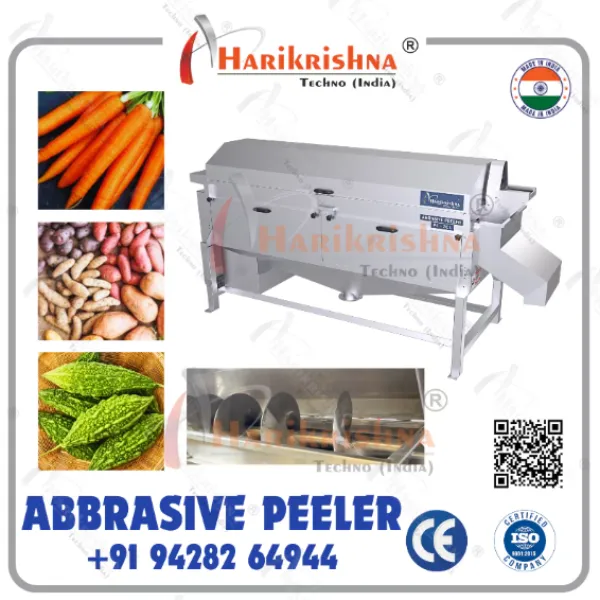
Peeling is one of the first preparation stages in many potato and root-vegetable processing operations. When production volume increases, manual peeling can consume considerable labour and make throughput difficult to maintain.
An Abrasive Peeler provides a mechanised approach, but selecting one requires more than comparing machine capacities.
How Abrasive Peeling Works
Abrasive peeling equipment removes the outer surface of suitable vegetables through controlled contact with an abrasive surface.
The action helps separate the peel while the product moves within the peeling chamber. The exact processing behaviour depends on the equipment design, raw material and operating settings.
When Abrasive Peeling Makes Sense
This approach is commonly considered for potatoes and certain root vegetables where commercial quantities need to be prepared efficiently.
It may be suitable for:
- Potato chips production
- French fries preparation
- Commercial kitchen operations
- Vegetable processing facilities
- Snack manufacturing units
- Centralised food preparation
Before purchasing, processors should test or discuss the actual raw material they intend to handle.
Capacity Should Match the Next Machine
One common equipment-selection mistake is buying each machine separately based on its maximum capacity.
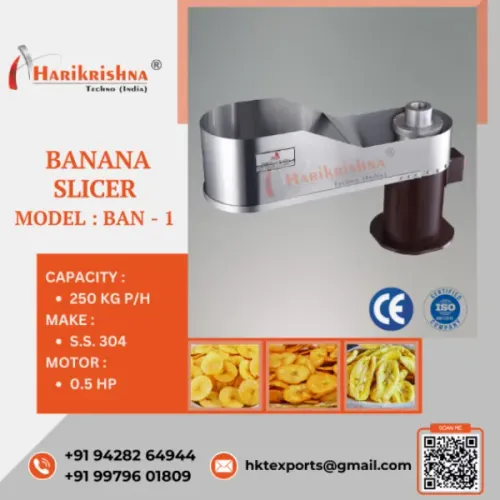
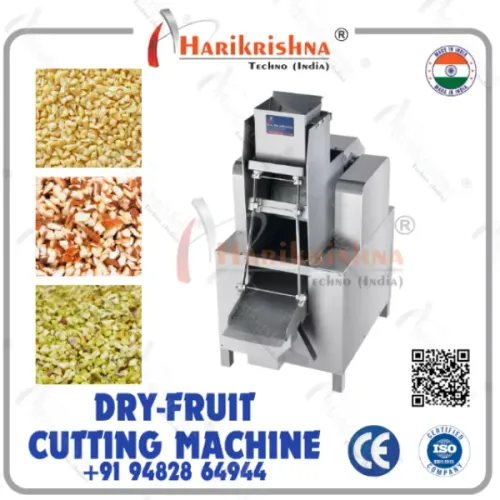
Suppose the peeler prepares material substantially faster than the cutting machine can accept it. Peeled vegetables may accumulate between stages, disrupting the intended workflow.
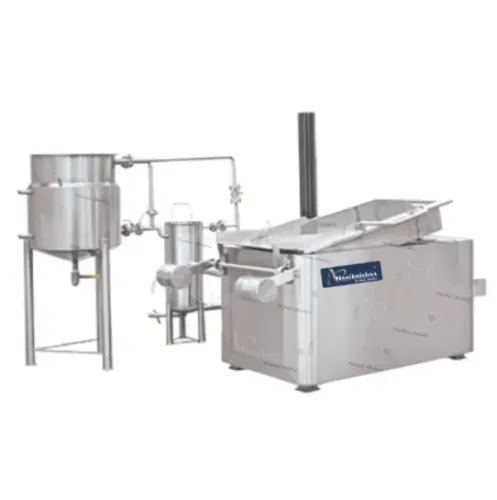
A better approach is to consider peeling as one component of the complete processing line.
Assess Cleaning and Operational Requirements
Food-processing equipment needs regular cleaning, so accessibility should be considered during evaluation. Buyers should understand how product residues are removed and which parts require routine attention.
Operators should also be trained in suitable loading practices because overloading can affect processing consistency.
Equipment Selection in Rajkot
Rajkot's manufacturing ecosystem supplies machinery to food processors across Gujarat and other markets. Harikrishna Techno (India) manufactures food-processing equipment for businesses developing or expanding commercial production facilities.
Before choosing an abrasive peeling system, processors should communicate their raw material, batch size and expected hourly output.
Questions Worth Asking Before Purchase
A practical evaluation should establish:
- Which vegetables can be processed?
- What is the working batch capacity?
- How does the product enter and leave the machine?
- What utilities are required?
- How accessible are internal areas for cleaning?
- How will the machine connect with washing and cutting operations?
- What factory space is available?
Looking beyond the headline production figure helps buyers select an abrasive peeler that fits their actual processing environment rather than simply adding another standalone machine to the factory floor.
Keywords